Pumsang how: Groom's gift ritual for new family integration
This article is about integration. "A gift is not merely an object; it is a bridge of respect between two families."
Traditional Korean wedding customs are deeply rooted in the concept of mutual respect and the formal recognition of new family bonds.
In the context of a Korean wedding, the *pumsang* (품상) serves as a significant ritualistic gift that symbolizes the transition of responsibility and the welcoming of a new member into the family lineage.
Key Takeaways * The *pumsang* represents a formal gift of respect and support from the groom's family to the bride's family. * It serves to honor the bride's transition into her new household and acknowledge the bond between the two families.
* Modern interpretations often blend traditional symbolism with practical, high-end lifestyle goods. * The ritual emphasizes the role of the groom's mother in facilitating this ceremonial exchange.
What is the core meaning of pumsang?
The sun was just beginning to set over the tiled roofs of a traditional courtyard when I first witnessed the weight of a single wooden box. In that quiet moment, I realized that the items inside were not just belongings, but vessels of intention.
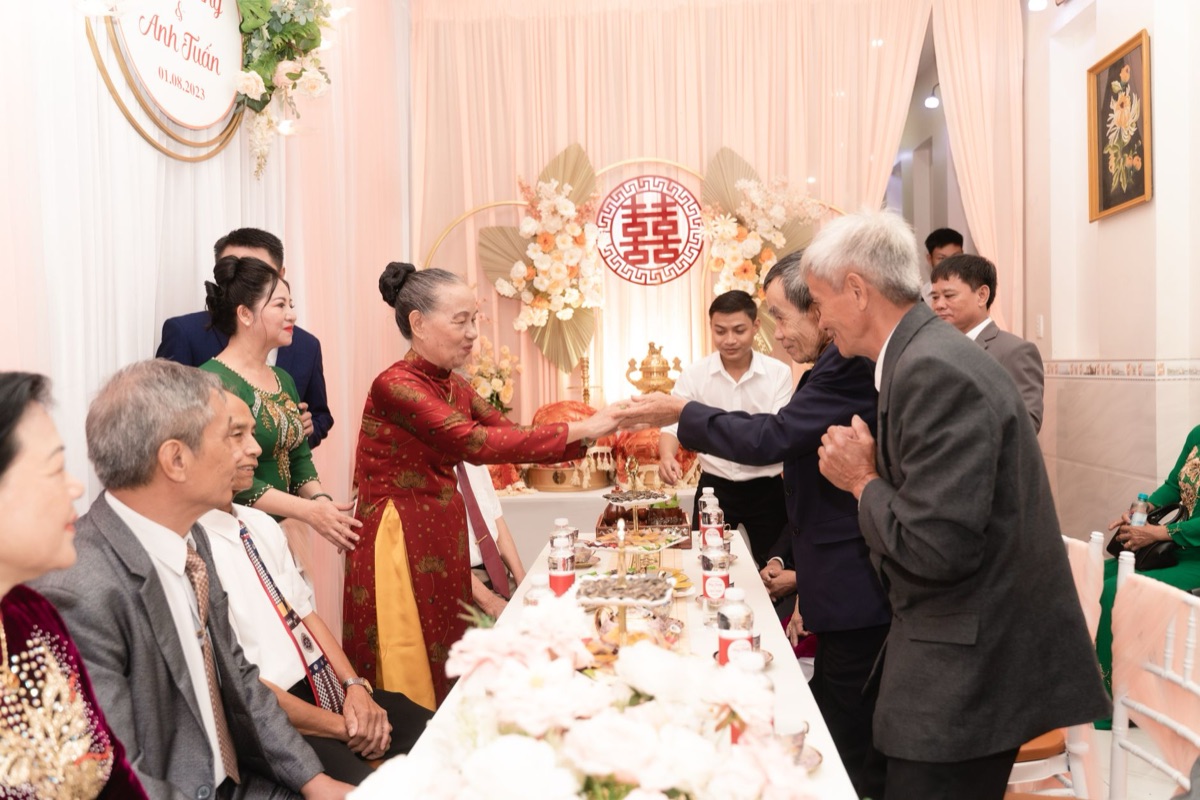
The *pumsang* is a ceremonial gift presented by the groom's family—often led by the groom's mother—to the bride's family during the wedding process.
This exchange is designed to show the groom's family's sincerity and their readiness to support the new couple.
While it may look like a simple gift-giving ceremony, it is actually a structured way to honor the bride's family for raising her and to officially integrate her into the groom's family tree.
The *pumsang* acts as a physical manifestation of the "joining of two houses," moving beyond a simple transaction to become a ritual of social and familial legitimacy.
How does the groom's mother lead the ritual?
I remember watching an elder woman carefully adjust the silk wrapping on a lacquerware set, her hands moving with a practiced, reverent grace. She wasn't just packing goods; she was preparing a message.
In traditional Korean wedding customs, the groom's mother takes a central role in organizing and presenting the *pumsang*.
The mother's involvement signifies the formal acceptance of the bride into the groom's lineage. By leading the presentation, she demonstrates that the gift is not just from a son, but from the entire family unit.
This role is crucial because it establishes the maternal line's involvement in the new household. The mother acts as the matriarchal representative, ensuring that the etiquette is followed perfectly to maintain the dignity of both families.
This careful management ensures that the transition from maidenhood to wifehood is handled with the utmost respect.
What items are traditionally included in a pumsang?
A heavy, silk-wrapped bundle sat on the low table, its weight suggesting something much more substantial than mere fabric. The contents of a *pumsang* are carefully selected to reflect both tradition and the specific needs of the new couple's future.
Traditionally, these gifts often include items that symbolize longevity, fertility, and prosperity. Common items might include high-quality traditional ceramics, fine silk fabrics, or gold jewelry. The selection is never random; it is a curated collection of symbols.
| Category | Traditional Examples | Symbolic Meaning |
|---|---|---|
| Household Essentials | Lacquerware, Ceramic Sets | Stability and the establishment of a home |
| Personal Adornment | Gold Jewelry, Silk Fabrics | Wealth, beauty, and the bride's new status |
| Ritual Objects | Traditional Tea Sets | Respect for tradition and family gatherings |
How do modern adaptations work?
In a sleek, modern apartment in Seoul, a young couple looked at a collection of high-end kitchen appliances with the same reverence their grandparents might have shown a hand-painted vase. The ritual stays the same, even as the objects change.
Modern *pumsang* often shifts from purely symbolic items to practical, high-end goods that fit a contemporary lifestyle. While the tradition of using silk or gold remains common, many families now include luxury appliances or personalized luxury goods that the couple will use daily.
This shift reflects the changing reality of modern living while maintaining the underlying intent: providing the couple with the tools to build a successful, comfortable life together.
The core purpose remains the same—to provide a foundation for the new household—but the medium has evolved to meet the needs of the 21st century.
Why is the presentation so important?
The meticulous folding of the colorful *bojagi* (wrapping cloth) was so precise it looked like a piece of sculpture. Every crease was intentional, every knot a silent vow of care. The presentation of the *pumsang* is just as important as the contents themselves.
The aesthetic of the gift reflects the level of respect being shown. It is common to group items thematically, such as items for the home, items for health, or items for the future. For example, a set of fine tea-ware might be grouped with health-focused items like premium ginseng.
The packaging must be elegant, often using traditional silk wraps or beautifully crafted wooden boxes.
A poorly presented gift would be seen as a slight to the recipient's family, whereas an exquisite presentation demonstrates that the groom's family has put significant thought and effort into the union.

integration — How to navigate the pumsang process: A step-by-step guide
The atmosphere in the room was thick with anticipation as the guests waited for the formal presentation to begin. It was a delicate dance of timing and etiquette.
If you are involved in or witnessing a ceremony involving the *pumsang*, following these steps can help ensure the ritual remains respectful:
- Coordinate with Elders: Before the ceremony, the groom's mother and the bride's family should subtly communicate regarding the scale and type of gifts to ensure harmony. 2. Prepare the Presentation: Ensure all items are wrapped in high-quality materials, such as traditional silk, and that the packaging is pristine. 3. Execute the Formal Handover: The gift should be presented at the appropriate time during the wedding rituals, usually in the presence of both sets of parents. 4. Acknowledge the Recipient: After the presentation, a brief moment of formal gratitude or a small exchange of words should occur to finalize the gesture.
This ritual does not apply to modern weddings that have completely abandoned traditional customs in favor of purely Western-style ceremonies, where such formal gift exchanges are often omitted.
However, this does not apply in every situation.

Comments 0