Wedding music selection rules: Guide to ceremony music
"Music is the heartbeat of a ceremony, setting the emotional tone for a lifetime commitment."
Effective wedding music selection requires balancing personal taste with the logistical realities of the venue and the specific timing of the ceremony. This guide covers essential coordination strategies, ways to avoid industry markups, and how to manage the atmosphere through song.
How to manage wedding music selection rules?

A couple sits at a small wooden table, scrolling through digital playlists while a single violin plays softly in the background of a nearby room. They realize that the music must transition seamlessly from the processional to the recessional to maintain the ceremony's flow.
Establishing a cohesive soundscape is the primary goal of wedding music selection rules. You must ensure that the volume remains appropriate for the speaking parts of the ceremony while providing enough energy for the celebration.
Selecting songs that reflect the couple's personality while respecting the venue's acoustics is a fundamental step.
Because the wedding industry in the United States employs over one million people across 600,000 businesses and grows 2% each year, there are many professionals available to assist with these decisions. However, the sheer size of the industry means you must be diligent in your planning.
- Establish a clear list of must-play songs and do-not-play tracks.
- Define the musical genre boundaries for different parts of the event.
- Consult with your venue regarding sound restrictions or equipment availability.
What are the best practices for choosing ceremony music?

A musician adjusts a music stand in a sunlit chapel, checking the timing of a sheet music score. The silence of the empty hall makes the delicate notes of a piano rehearsal ring out clearly.
Choosing ceremony music involves matching the tempo of the music to the walking pace of the wedding party. If the music is too fast, the procession feels rushed; if it is too slow, the momentum stalls. You should select specific tracks for the entrance, the exchange of vows, and the final exit.
When you are selecting event songs, consider the emotional arc of the service. The music should start with a sense of anticipation, move toward a more intimate tone during the vows, and conclude with a joyful, upbeat melody.
This progression helps guide the guests through the emotional journey of the event.
In this sequence, the second step is the most extensive.
How to handle wedding music coordination guide tasks?
An organizer walks through a large ballroom, testing the sound system with a handheld microphone. The echo of the empty room reminds them of the importance of soundproofing and acoustic management.
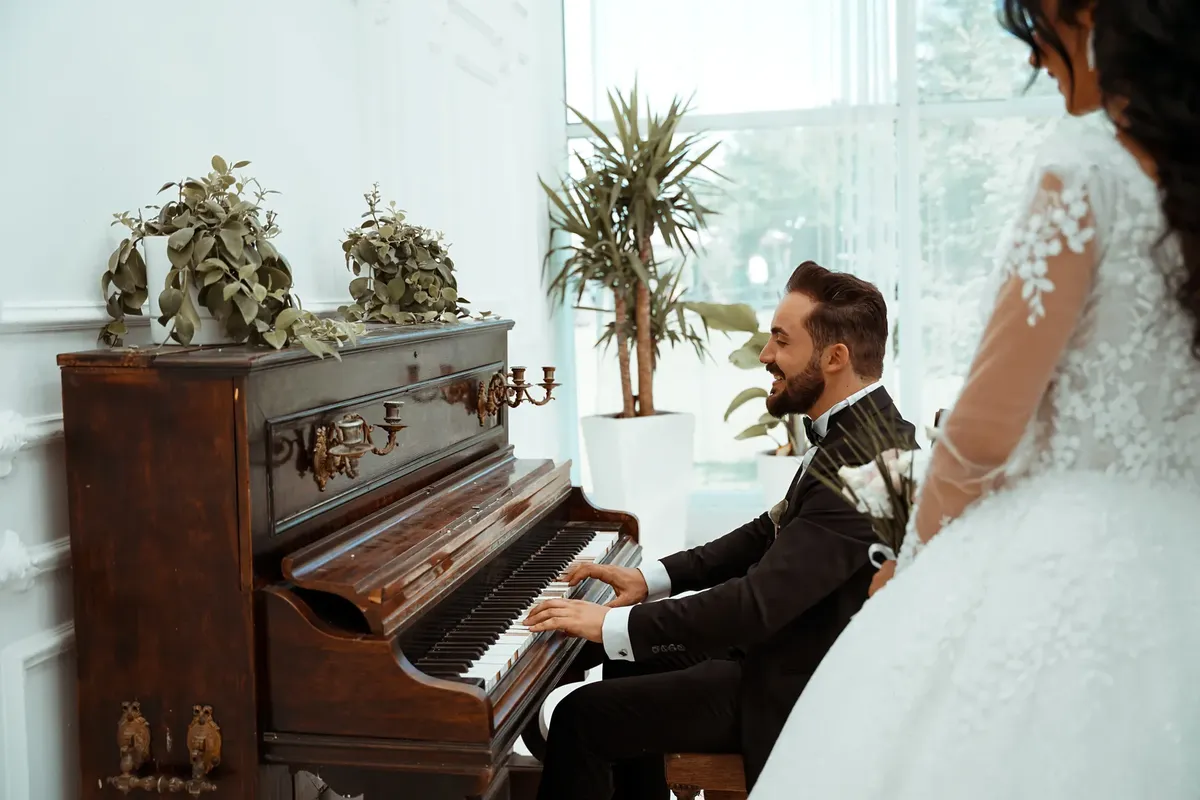
A successful wedding music coordination guide involves communicating clearly with all vendors involved. You must coordinate with the officiant to ensure music does not drown out the spoken words and work with the venue to understand any restrictions on playback.
Effective coordination also means having a backup plan for technical failures. If a digital player fails or an instrument goes out of tune, a secondary source of music should be ready to play immediately. This prevents awkward silences that can disrupt the solemnity of the moment.
What are some basic wedding music tips for budget management?
A couple reviews a line-item invoice at a coffee shop, comparing the cost of a live band against a professional DJ. They discuss how much they want to invest in the atmosphere versus other wedding elements.
One of the most important basic wedding music tips is to be aware of industry pricing fluctuations. In 2016, an article published by Consumer Reports identified that 28% of secret shoppers who queried vendors would be charged a wedding markup.
This suggests that certain service providers may increase their prices specifically because they are being hired for a wedding.
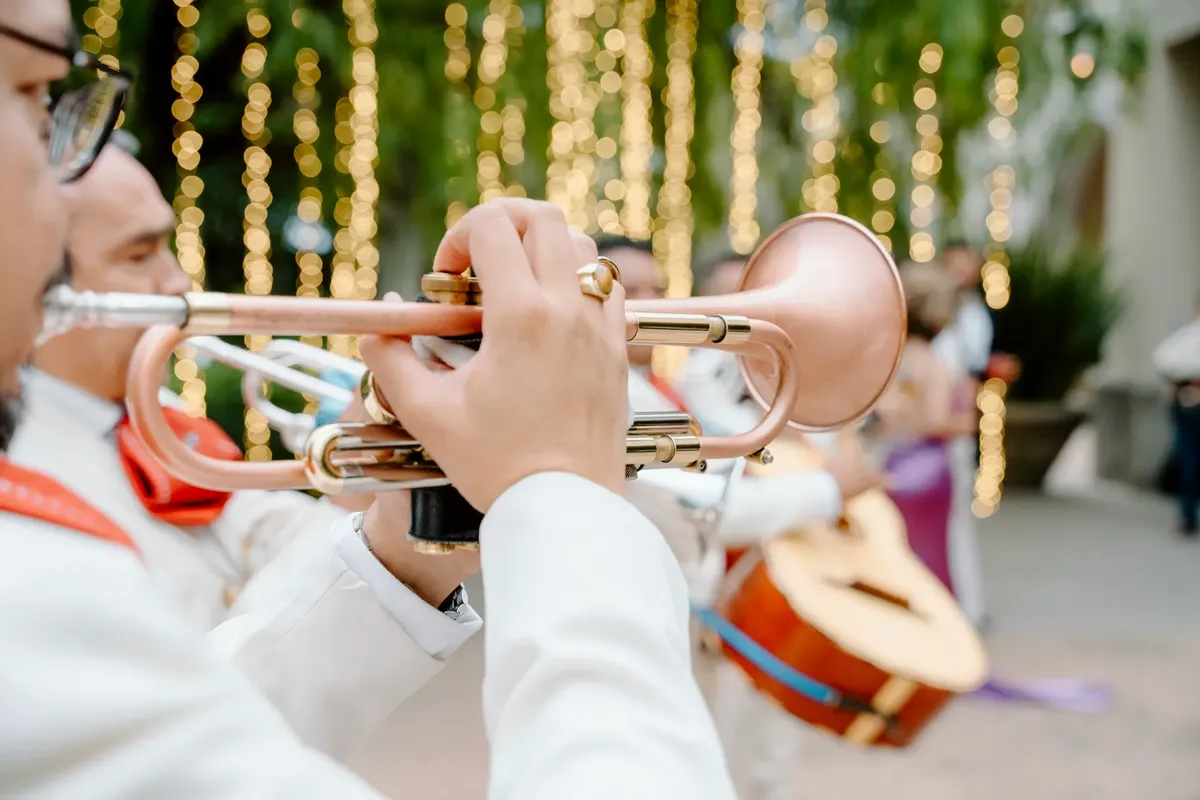
To avoid these hidden costs, research vendors thoroughly before signing a contract. Comparing the quotes of a live ensemble against a single musician can help you see where your budget is being directed. Always ask if the price quoted is a flat fee or if it includes travel and equipment surcharges.
How to manage music for wedding day timing?
A coordinator checks a printed itinerary, noting the exact minute the processional is scheduled to begin. The tension in the room rises as the guests begin to take their seats.
Managing music for wedding day timing requires precise synchronization between the music and the movements of the wedding party. The music must be timed so that the peak of a song coincides with the arrival of the couple at the altar.
I once watched a wedding where the music was too long for the short aisle, leaving the bride standing awkwardly at the front while the song played out. This taught me that the length of the tracks must be carefully considered against the physical layout of the space.
Using edits or fades can help manage these transitions smoothly.
What are the limitations of musical planning?
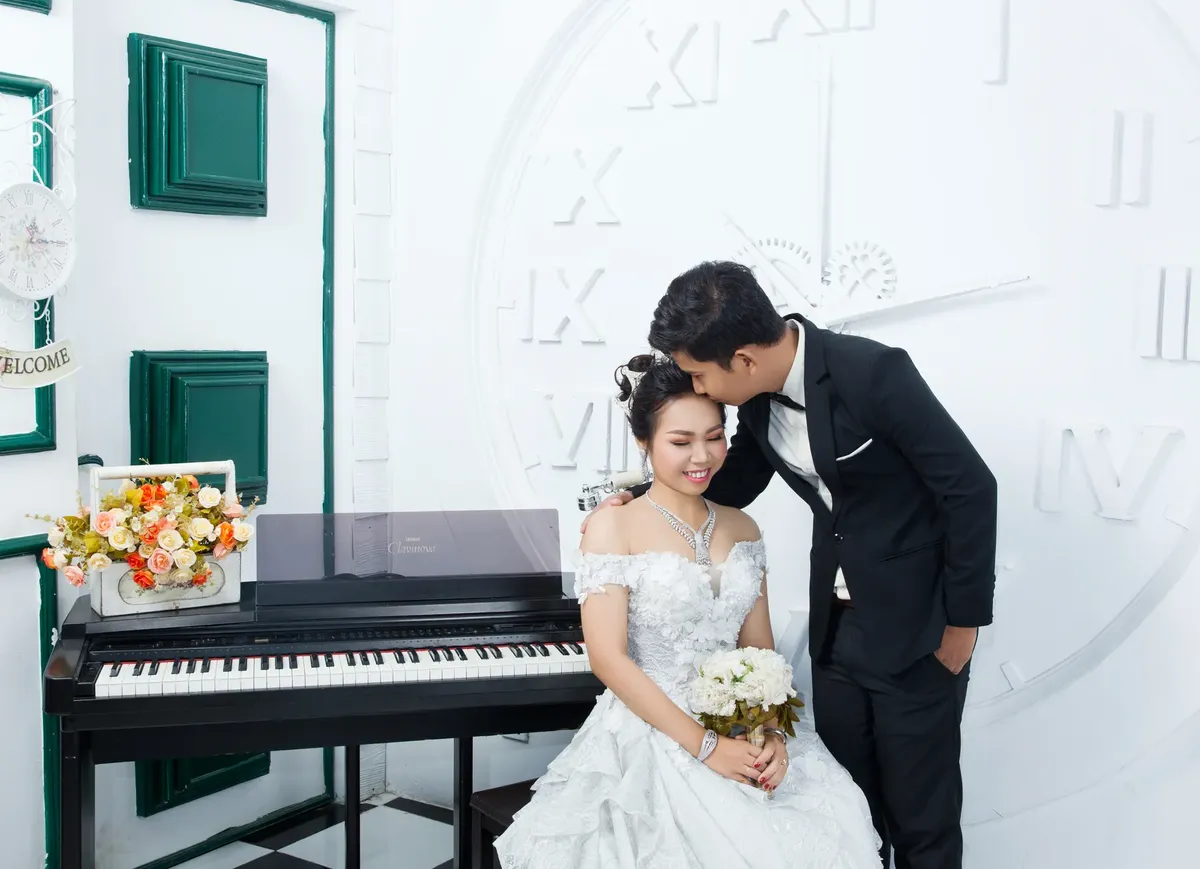
A technician plugs a cable into a soundboard, ensuring the connection is secure before the guests arrive. The complexity of the setup reflects the technical challenges of modern event production.
A significant limitation in music planning is the acoustic environment of the chosen venue. Certain historical buildings or outdoor spaces may have echoes or wind interference that make specific instruments or playback methods ineffective.
One limitation is that the physical layout of a venue can dictate what kind of music is possible. For example, a very small room might not accommodate a full band, requiring a shift to soloists or digital playback.
This part also covers How to choose wedding songs.
This part also covers Best practices for event music.
Related
- Wedding music order guide: How to manage music flow
- Efficient wedding guest seating: Why planning is necessary
When is the Music the Heartbeat of the Ceremony?
Music serves as the heartbeat of a ceremony by establishing the emotional tone for a lifetime commitment. The selection process requires balancing personal taste against the venue's logistical constraints and the ceremony's specific timing. A cohesive soundscape is the primary goal when establishing these music selection rules.
How does the venue affect music choices?
The acoustic environment of the chosen venue presents a significant limitation in music planning. Certain outdoor spaces or historical buildings may introduce echoes or wind interference, which can render certain playback methods or instruments ineffective. Therefore, selecting songs that respect the venue's acoustics is a fundamental step in the overall planning.
How can the Music guide the guest experience?
Music guides the guest experience by structuring the emotional arc of the service. The music should begin with a feeling of anticipation, transition to a more intimate tone during the vows, and finish with a joyful, upbeat melody. This progression helps direct the guests through the emotional journey of the event while the music acts as the heartbeat of the ceremony.
Wikipedia: Society for Music Analysis Based on the retained excerpt mentioning The Society: The Society for Music Analysis is an academic society, founded in 1992 by Jonathan Dunsby, specializing in music theory and analysis.






Comments 0