Wedding music selection guide: How to manage music tone best
"The right melody can transform a quiet room into a sanctuary of shared history."
This guide focuses on balancing tradition with modern tastes, managing the emotional tone, and understanding the logistical realities of the wedding industry.
Key takeaways: 1. Align music with the specific customs of the ceremony. * Manage tone to prevent emotional dissonance. * Prepare for industry pricing variations.
How to align music with ceremony customs?
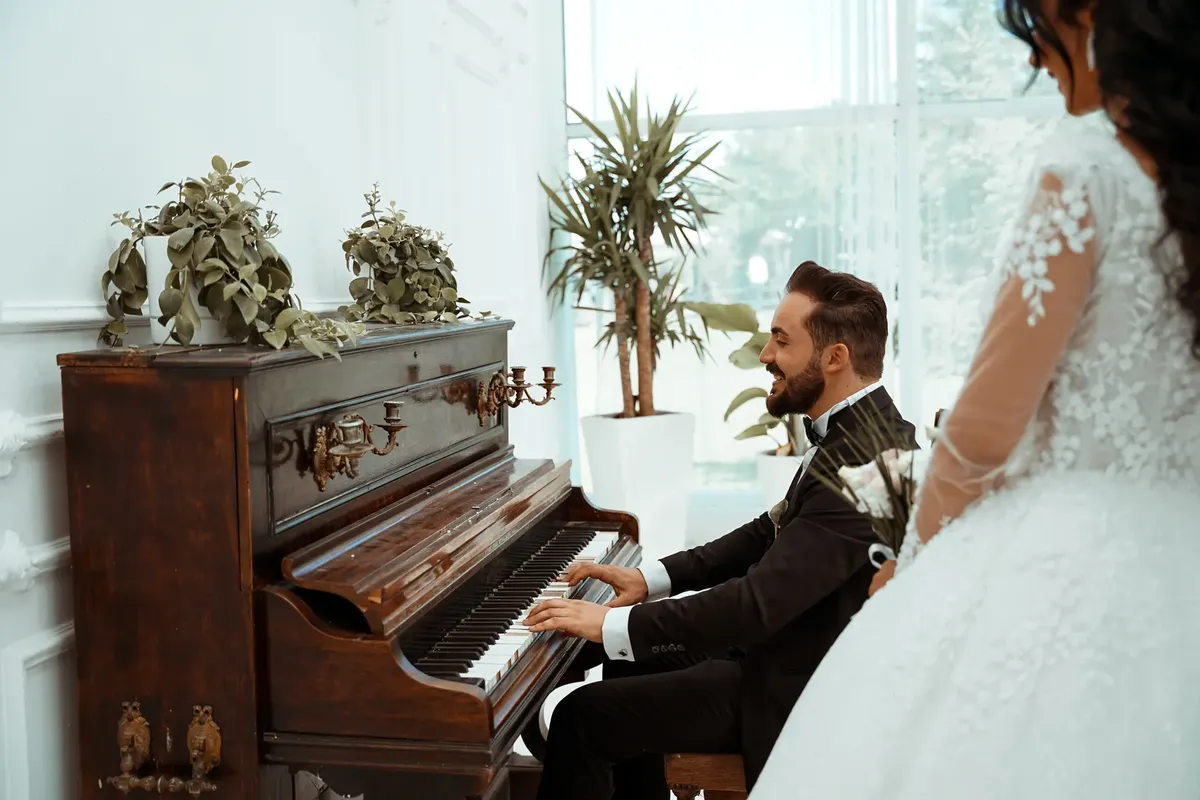
A couple stands at the altar while a soft violin melody bridges the gap between tradition and the present moment. Selecting music requires a deep understanding of the specific cultural or religious context of the service.
This means the music must serve the ritual rather than distract from it.
In certain cultures, the ritual itself dictates the rhythm, such as when a yellow thread applied with turmeric is knotted around the bride's neck 3 times at marriage. In these instances, the music must be subtle enough to allow the sounds of the ritual to remain audible.
Choosing ceremony music means respecting these established sequences.
- Research the specific cultural or religious traditions of the ceremony. 2. Consult with officiants to ensure songs meet ritual requirements. 3. Select pieces that honor the heritage of the couple.
How to manage the music tone? Wedding music selection guide
A guest sits in a wooden chair, feeling the shift from a solemn processional to a joyful recessional. Adjusting music tone is essential to guide the guests through the emotional arc of the event.
The transition between tracks can be jarring if the volume or tempo shifts too abruptly. For a seamless experience, one must consider how the music interacts with the spoken word and the physical movement of the wedding party.

Music for wedding mood should feel like a natural extension of the atmosphere.
If the ceremony is somber, high-energy pop might clash with the gravity of the vows. Conversely, if the tone is meant to be celebratory, overly mournful strings might dampen the spirit. Maintaining a consistent emotional thread helps prevent a disjointed feeling during the most important moments.
In this sequence, the second step is the most extensive.
How to handle the wedding music budget?
A couple reviews a spreadsheet, comparing different vendor quotes to ensure they stay within their financial limits. Managing the budget is a practical necessity when dealing with professional services.
The wedding industry in the United States employs over one million people throughout 600,000 businesses and grows 2% each year. Because the industry is so large, pricing can vary significantly between vendors. Understanding these costs is part of the wedding music budget tips process.
When negotiating with musicians or DJs, it is important to be aware of industry-standard practices. For example, in 2016, an article published by Consumer Reports identified that 28% of secret shoppers who queried vendors would be charged a wedding markup.
This highlights the importance of clear communication regarding service fees.
What are the steps for effective music selection?

A planner holds a clipboard, checking off the sequence of songs as the rehearsal begins. To ensure the ceremony runs smoothly, follow these structured steps for selection.
- Identify the key ritual moments that require specific musical accompaniment. 2. Select tracks that match the tempo of the movements, such as the processional or the signing of the register. 3. Conduct a sound check at the venue to ensure the audio levels are appropriate for the room size.
I remember checking the acoustic levels in a high-ceilinged cathedral to ensure the music didn't drown out the vows. After selecting the tracks, perform a final check to ensure all digital files or live performers are synchronized with the ceremony timeline.
What are the limitations of music selection?
A musician adjusts a microphone stand in a quiet hall, preparing for the first guest to arrive. While music is powerful, it cannot fix a poorly planned ceremony structure.
According to The Second Vatican Council, there can be a place for appropriate "customs and ceremonies" to be incorporated into a Catholic marriage service.
One limitation is that the acoustic environment of a venue can significantly alter the intended sound of a piece. For instance, a song intended to be intimate might lose its emotional impact in a massive, echoing hall. The physical space always imposes its own constraints on the sound.
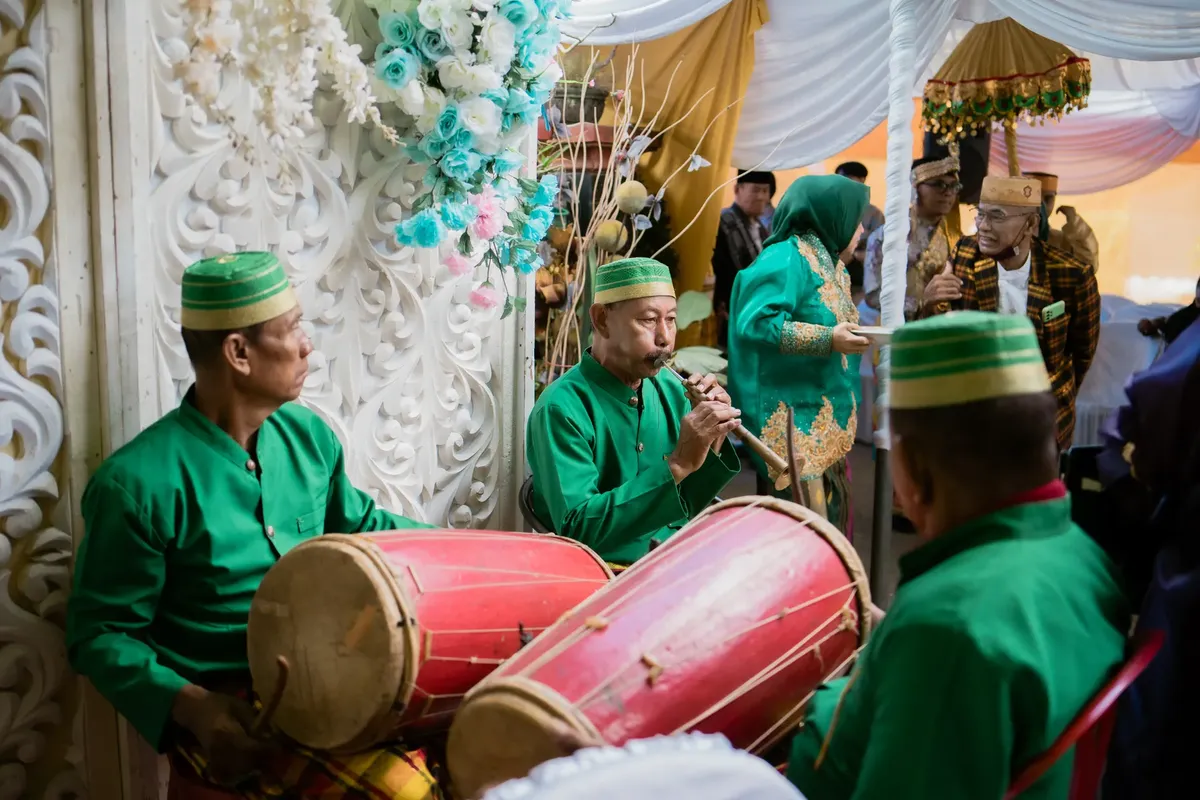
- A wedding music selection guide ensures that the auditory landscape matches the emotional weight of the ceremony.
- The Second Vatican Council's Constitution on the Sacred Liturgy noted that appropriate "customs and ceremonies" can be incorporated into a Catholic marriage service.
- When choosing music, consider if the melody supports the specific movements of the ceremony.
The same subject is also called Ceremony music readability.
This part also covers How to set music tone.
This part also covers Best music for ceremony.
How to set music tone
Related
- Destination wedding guest travel guide for seamless stay
- Wedding music strategy: Guide to manage ritual customs
What are the risks of ignoring venue acoustics?
An acoustic environment can alter the intended sound of a piece, which might lead to a loss of emotional impact. If a song is intended to be intimate, it might lose its effect in a massive, echoing hall.
One must consider how the physical space imposes constraints on the sound. A right melody might be lost if the volume is not adjusted for the room size during a sound check. This comparison between the intended sound and the actual acoustic reality is a necessary caution for any planner.
How to ensure the right melody fits the ritual?
The right melody must serve the ritual rather than distract from it. When choosing music, one must consider if the melody supports the specific movements of the ceremony, such as the processional or the signing of the register.
In certain cultures, the ritual dictates the rhythm, requiring music that is subtle enough to allow the sounds of the ritual to remain audible. This ensures the music remains a natural extension of the atmosphere rather than a source of dissonance.







Comments 0