White dress meaning in ceremony: Guide to selecting attire
"A single garment can transform from a personal choice into a piece of history that draws crowds from across the globe."
Understanding the significance of white attire involves recognizing how personal tradition meets public legacy. This guide explores how iconic ceremonial clothing maintains its meaning and how to approach selection through the lens of historical examples.
What is the white dress meaning in ceremony?
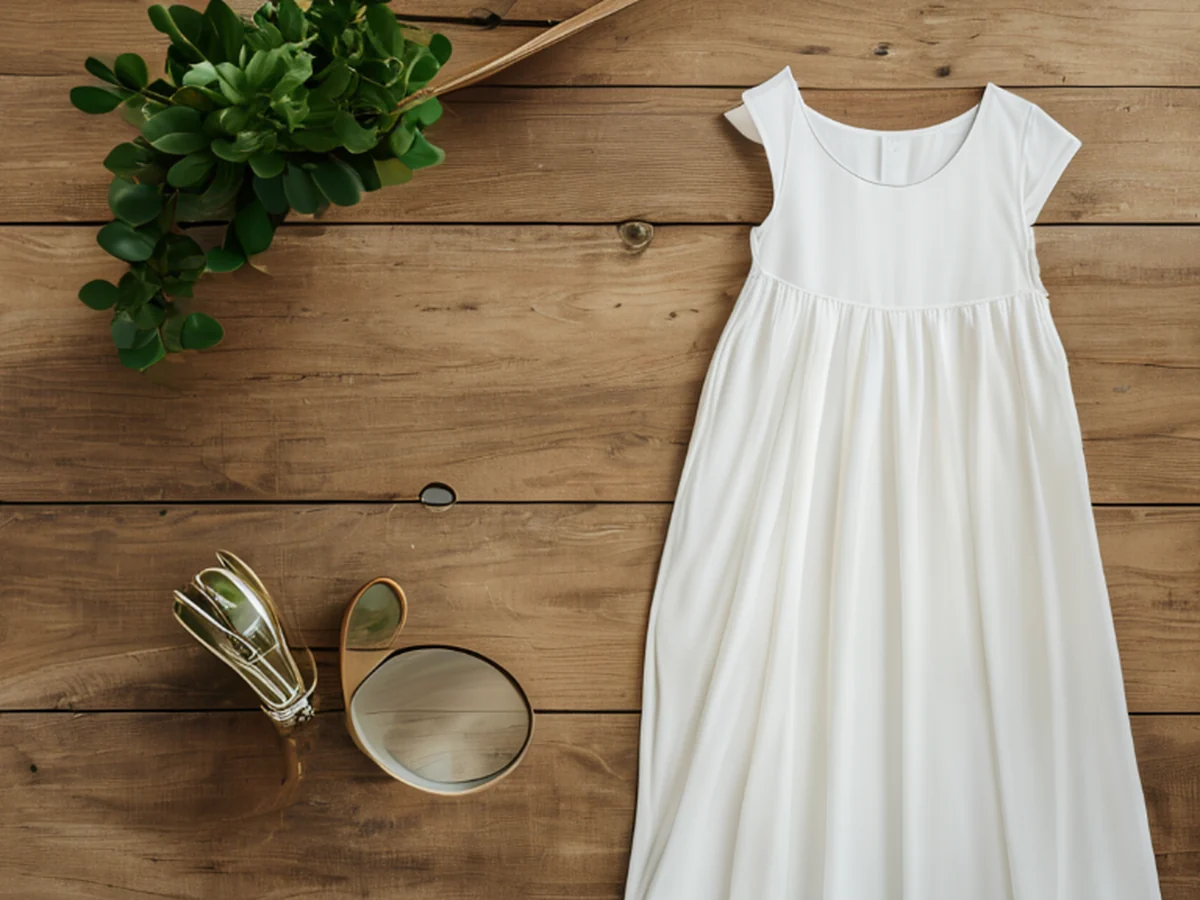
A quiet museum hall holds the weight of a formal tradition that spans generations. Walking through a gallery, one realizes that a white dress is often more than just fabric; it is a vessel for memory and cultural identity.
The meaning of the white dress in a ceremony often relates to preserving a specific moment in time. For many, the choice of white represents a new chapter, yet the garment itself becomes a historical artifact once the ceremony concludes.
In certain historical contexts, these garments become much more than attire. They serve as symbols of a specific era's elegance and social standing, often becoming the centerpiece of public interest long after the wedding day has passed.
The significance of white clothing for event purposes can be seen in how it commands attention within a room. It marks a transition, turning a person into a focal point of a shared communal experience.
However, these symbolic interpretations may vary depending on the specific cultural context of the gathering.
How to approach choosing white attire for event purposes?
A person stands before a mirror, feeling the weight of a delicate lace sleeve against their skin. Selecting the right piece requires balancing personal style with the intended atmosphere of the occasion.
When considering the wedding white dress significance, one must look at the longevity of the design. A well-chosen garment should reflect the wearer's personality while adhering to the dignity of the ritual.
Choosing white attire for event purposes involves evaluating fabric, silhouette, and the emotional connection to the piece. It is not merely about the color, but about how the garment carries the spirit of the ceremony.
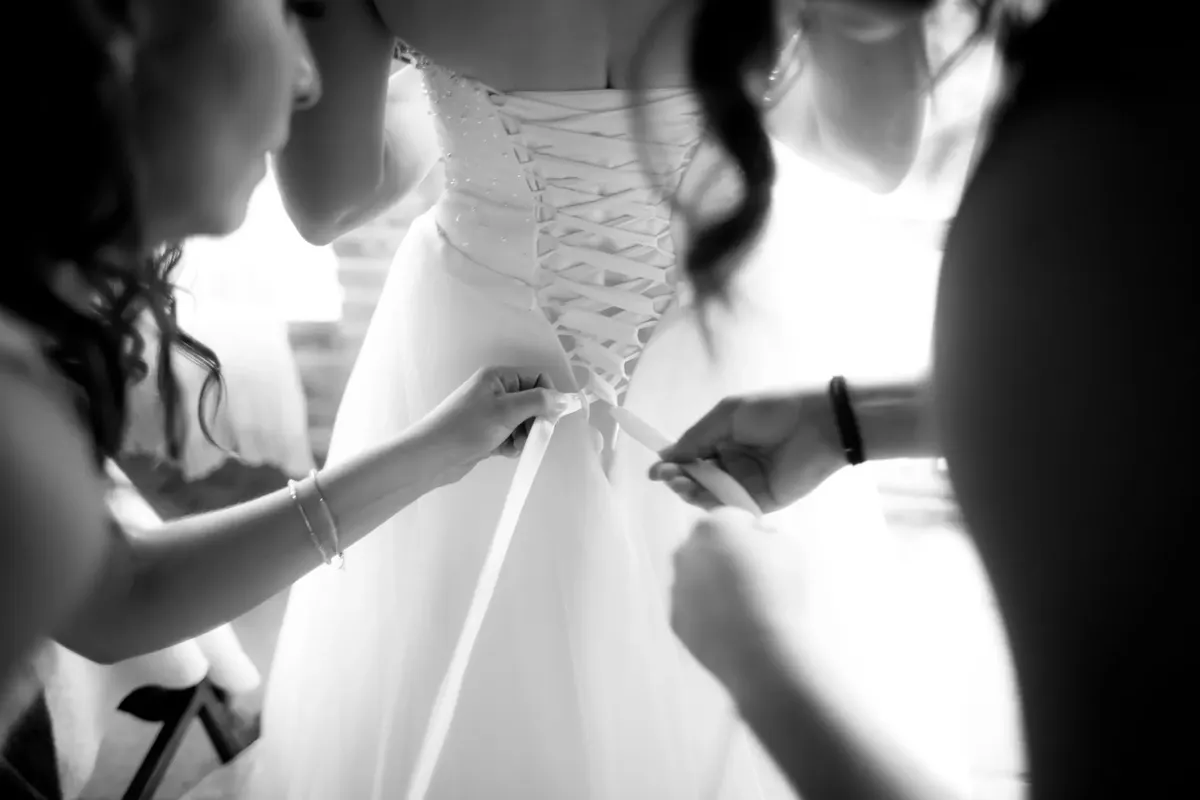
The meaning of white in formal wear can be deeply personal, yet it must also respect the tradition of the setting. Selecting a design that balances modern tastes with timelessness ensures the attire remains relevant for years.
However, these guidelines may not apply if the event has a strictly defined color code that contradicts traditional symbolism.
How to handle white dress selection tips real life?
A curator carefully adjusts a mannequin to ensure the fabric drapes perfectly under the museum lights. This careful attention to detail mirrors the preparation required when selecting a gown for a major life milestone.
Effective white dress selection tips real life application involves testing the movement of the dress in various settings. A garment that looks beautiful in a showroom may behave differently during a walking procession or a seated dinner.
One must consider the practical aspects of the attire, such as ease of movement and durability. While the aesthetic is paramount, the ability to wear the piece comfortably is essential for the duration of the ceremony.
I once watched a bride navigate a crowded hall in a heavy gown, realizing that comfort is as vital as elegance. This taught me that the best selection is one that allows the wearer to move with grace and ease.
- Assess the formality of the occasion.
- Consider the fabric weight and texture.
- Evaluate the shade of white against your skin tone.
How to choose white ceremony outfit through historical examples?
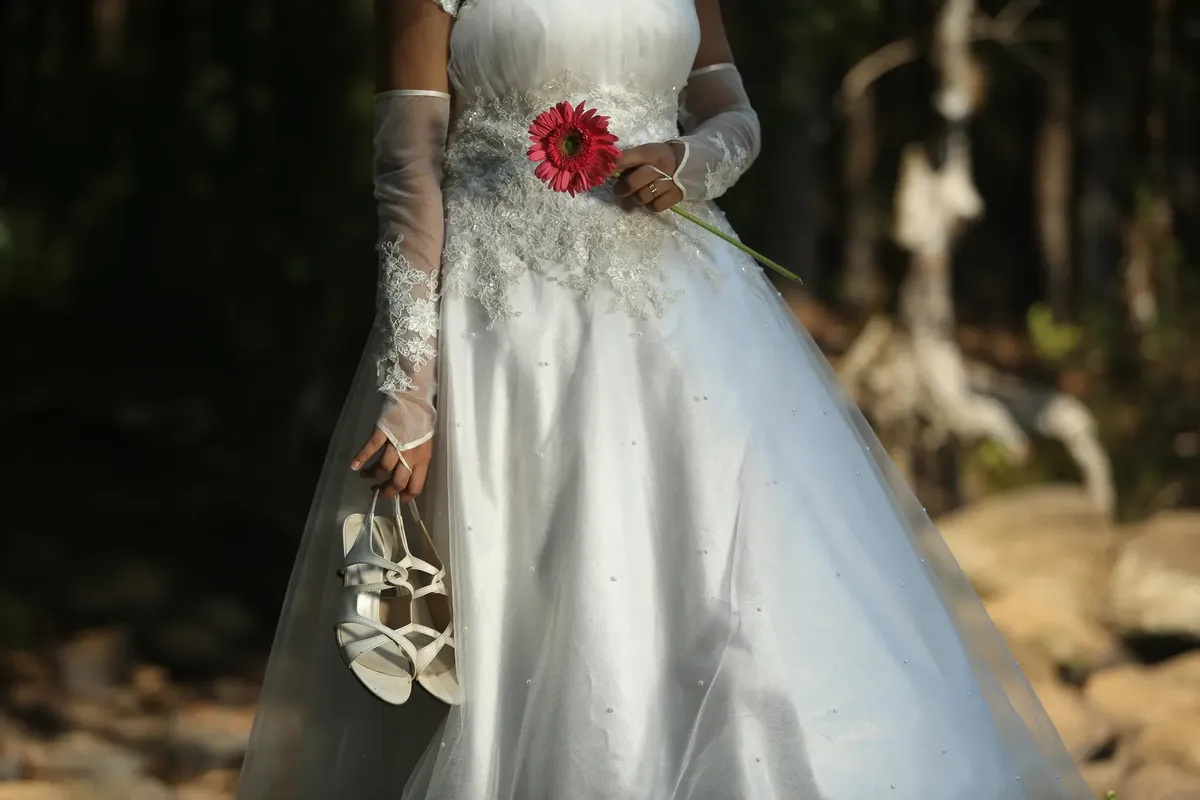
A visitor leans in close to a display case, marveling at the intricate beadwork of a vintage gown. Studying how legendary figures chose their attire can provide a roadmap for modern decision-making.
If you are wondering how to choose white ceremony outfit options, look toward the examples of those who set trends. Iconic gowns often combine structured elegance with delicate, romantic details that withstand the test of time.
The historical weight of a garment can influence its modern interpretation. By looking at how textures and silhouettes have evolved, one can find a balance between honoring the past and embracing the present.
The goal is to find a piece that feels authentic to the individual. Just as historical figures used their attire to communicate status and grace, a modern wearer uses their choice to tell their unique story.
I find that the second step in this comparative process is the most detailed.
Comparing historical display and archival details
An archive technician carefully places a pair of shoes into a protective case, ensuring every detail is preserved. This process highlights how small, hidden elements contribute to the overall story of a ceremonial outfit.
| Feature | Historical Exhibition Detail | Archival Discovery |
|---|---|---|
| Focus Area | Publicly displayed gown | Hidden items in footwear |
| Context | Anniversary celebration | Discovery of small keepsakes |
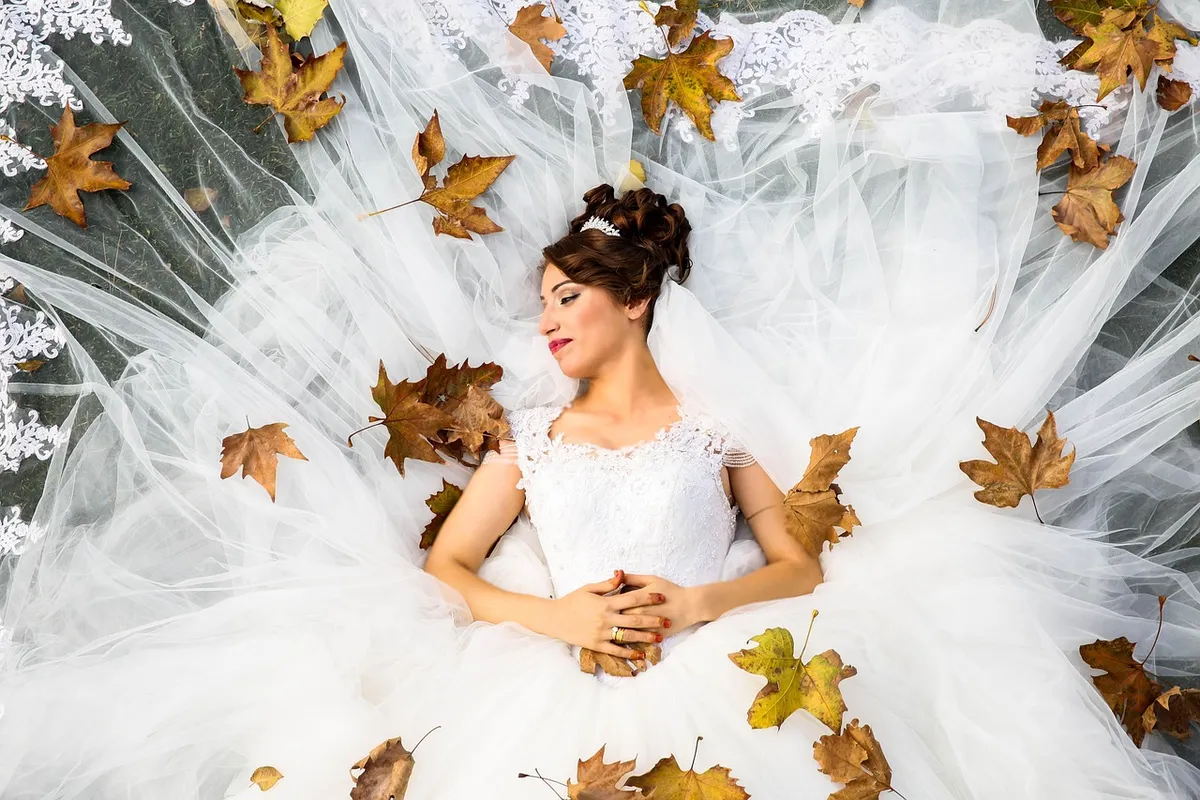
According to the Philadelphia Museum of Art, the museum presented an exhibition titled "Fit for a Princess: Grace Kelly's Wedding Dress" from 1 April 2006 to 21 May 2006. This event highlighted the gown's lasting impact.
The Philadelphia Museum of Art also reported that for a 50th anniversary celebration, the museum displayed the dress between 1 April and 21 May 2006. This exhibition was noted as a highly popular event for the institution.
Such small details add layers of meaning to the attire.
This comparison is not intended to serve as a definitive guide for modern fashion production.
The subject here is White dress meaning in ceremony.
The same subject is also called White clothing for ceremony guide.
This part also covers White dress etiquette and choice.
Related





Comments 0