Food choice in ritual context: Tips for modern ceremonies
"A single thread or a shared meal can define the boundaries of a lifetime commitment."
Effective food choice in ritual context depends on balancing deep-seated cultural traditions with the evolving social realities of modern ceremonies.
Understanding these selection criteria requires looking at how religious mandates, regional customs, and economic pressures shape what is served and how it is consumed during life transitions.
Key takeaways: * Ritual food selection often incorporates symbolic elements like turmeric-dyed threads. * Economic factors, such as the wedding industry markup, influence modern ceremonial planning.

* Cultural food choices are frequently shaped by the tension between traditional family arrangements and modern romantic love.
How do traditions influence food choice in ritual context?
A bride sits quietly as a yellow thread, colored with turmeric, is carefully knotted around her neck three times to signify a new union. This act of ritual food selection demonstrates how physical elements, often derived from culinary ingredients, serve as permanent symbols of marriage.
In many cultures, the intersection of food and ritual is seamless. Ritual food criteria often involve using specific spices or natural dyes to mark the transition from one life stage to another.
For example, the use of turmeric-dyed threads provides a sensory connection to traditional culinary practices while establishing a sacred bond. These symbolic gestures ensure that the ceremony remains grounded in historical identity.
What are the economic factors of ceremonial food selection?
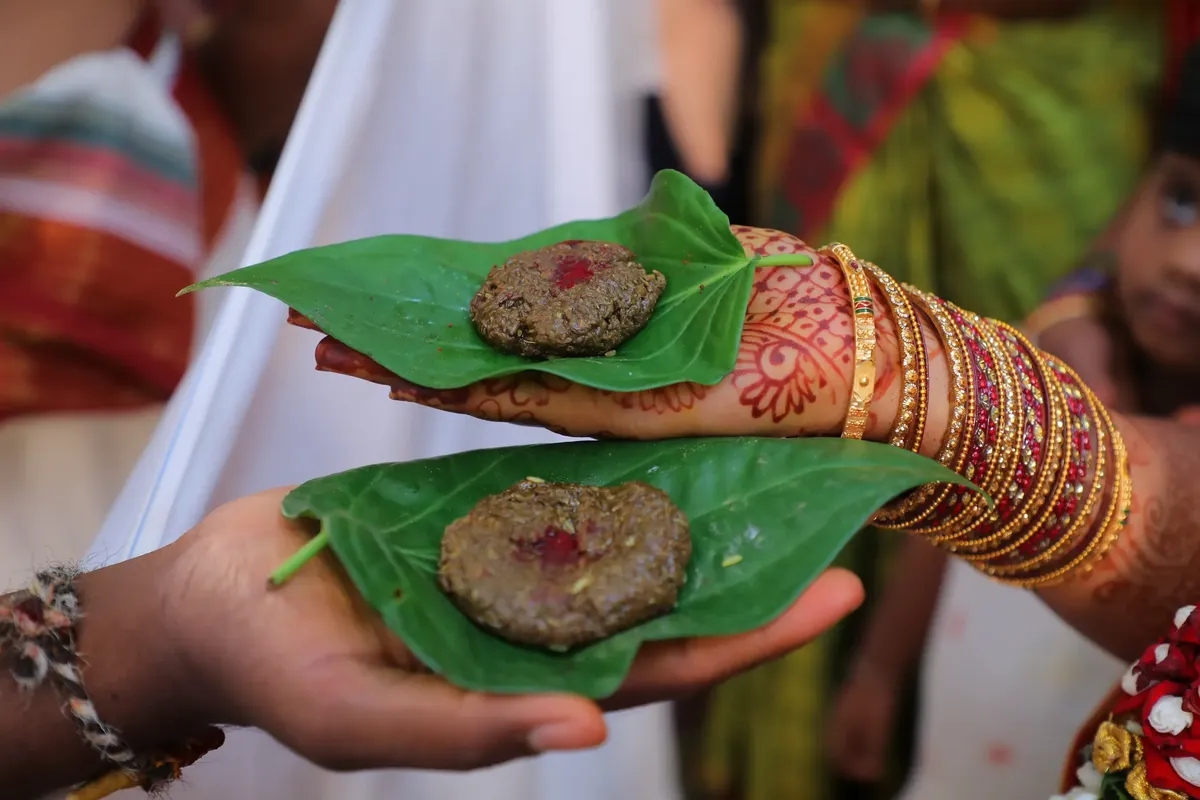
A vendor hands a contract to a couple, where the total cost includes a hidden fee specifically tied to the celebratory nature of the event. This scenario illustrates how the wedding industry can influence the practicalities of planning a ceremony.
The scale of the wedding industry impacts how much can be spent on ritual meals and celebrations. In the United States, the wedding industry employs over one million people throughout 600,000 businesses and grows 2% each year.
This massive economic engine drives the variety and cost of ceremonial offerings.
The financial burden of these events can lead to unexpected costs. In 2016, an article published by Consumer Reports identified that 28% of secret shoppers who queried vendors would be charged a wedding markup.
This specific markup highlights how the ritual context can inflate prices compared to standard service.
How do religious rules shape ritual food criteria?
A priest reviews the liturgical guidelines to ensure that the ceremony respects both the church and the local community. This careful balancing act ensures that the ritual remains valid within the eyes of the faith.

Religious frameworks provide the foundational rules for how ceremonies are conducted. The Second Vatican Council's Constitution on the Sacred Liturgy noted that there can be a place for appropriate "customs and ceremonies" to be incorporated into a Catholic marriage service.
This allows for a blend of formal liturgy and local cultural expressions.
Cultural food choices are often dictated by these religious parameters to ensure the sanctity of the ritual. While some traditions allow for flexibility, others maintain strict dietary or ceremonial requirements. These rules ensure that the community recognizes the legitimacy of the union.
How does family involvement affect cultural food choices?
A family gathers in a living room to discuss the upcoming union, bridging the gap between traditional arrangement and modern romance. The atmosphere is a mix of excitement and the weight of ancestral expectation.
In many regions, the family remains the central authority in deciding how a union is celebrated.
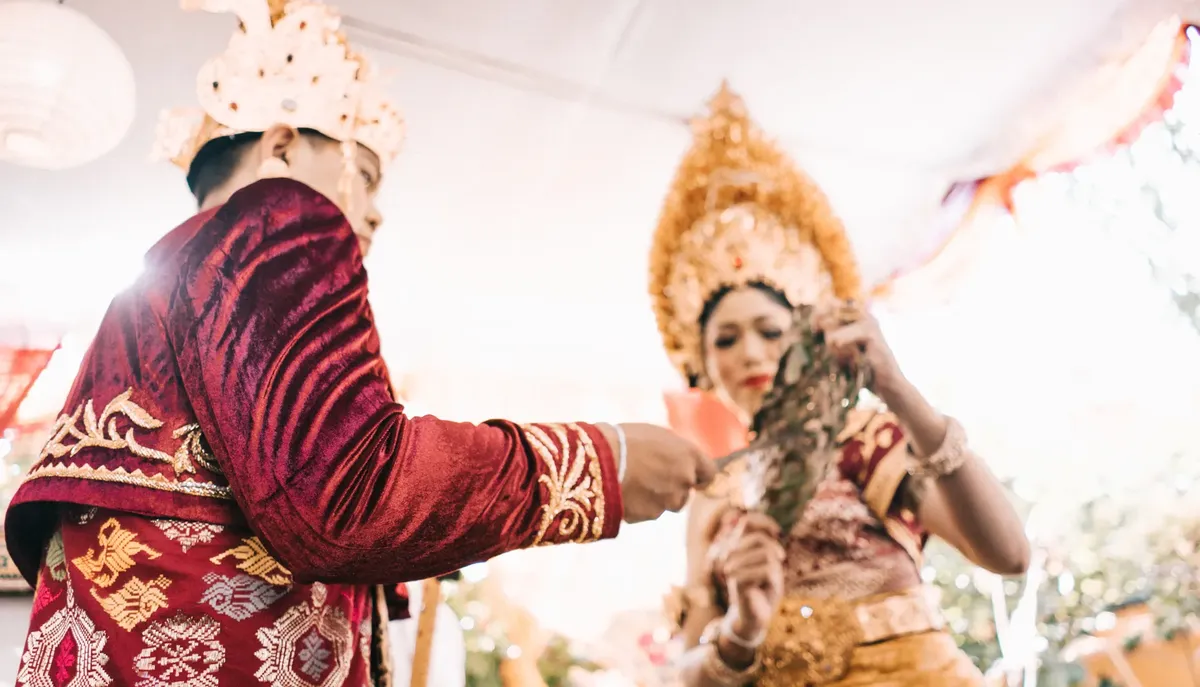
In Egypt, the largest Arab country and approximately 95% Muslim, many contemporary marriages are based on the bride and groom falling in love, but the couple's family is still involved in arranging the union. This involvement often dictates the scale and type of the celebratory meal.
The presence of family influences the social dynamics of the ritual. Even when love is the primary driver, the involvement of elders ensures that the ritual food selection meets community standards. This keeps the tradition alive even as social structures shift.
What are the implications of changing social structures?
A young couple looks at their budget, realizing that traditional large-scale celebrations are becoming increasingly difficult to afford. They must decide which parts of their heritage to prioritize.
Changing demographics and economic shifts create new challenges for traditional ceremonies. In the two most polygynous countries in that region—Nigeria and Burkina Faso—40% of the Muslim population lives in polygynous households as of 2019.
These social structures require different approaches to communal dining and ritual hosting.
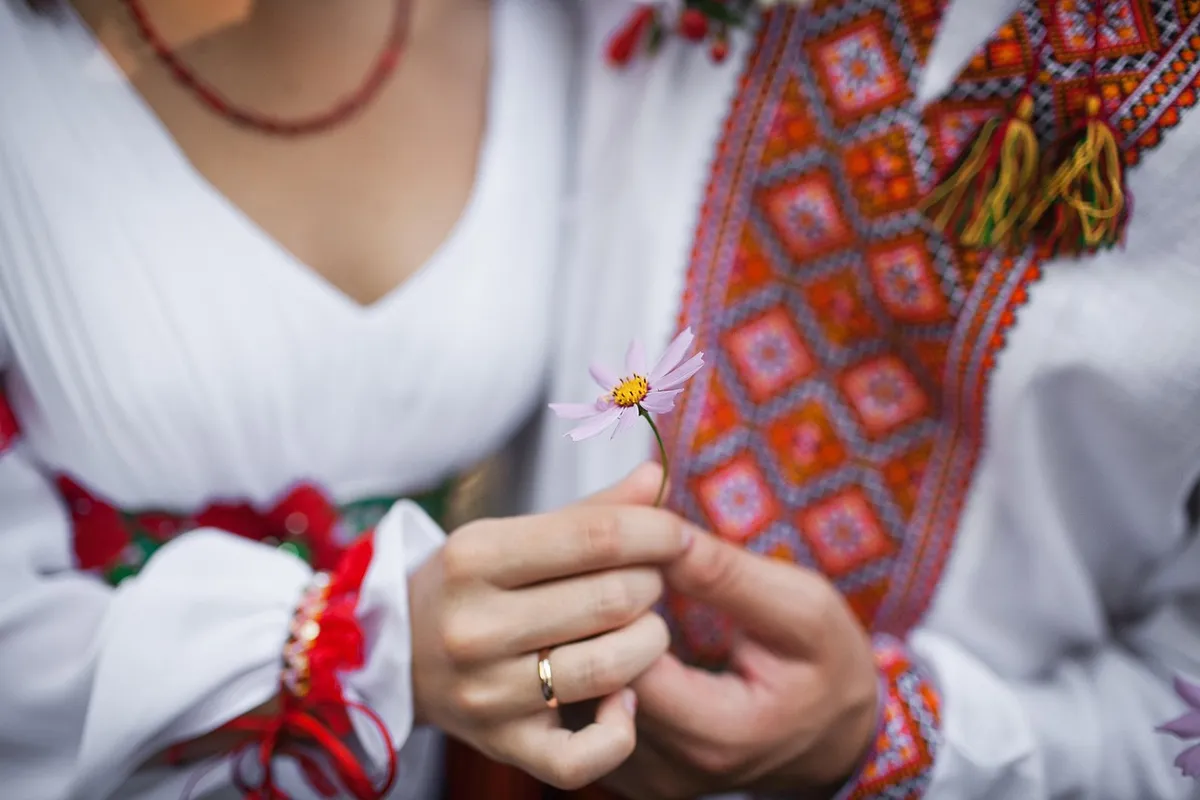
Furthermore, modern mobility has led to new types of unions. In the 21st century, marriages between Muslim women and non-Muslim men have become "more and more" frequent in various parts of the world. This shift can influence how food and ritual are managed in multi-faith households.
Comparison of Industry and Demographic Data
| Category | Metric |
|---|---|
| US Wedding Industry Employment | Over one million people |
| US Wedding Industry Businesses | 600,000 businesses |
I observed how the scale of the industry compares to the specific markups reported by consumer advocates.
- How do traditions influence food choice in ritual context?
- What are the economic factors of ceremonial food selection?
- How do religious rules shape ritual food criteria?
Related
- Shinto Wedding Symbols: Why Offerings Reflect Divine Purity
- Guest seating arrangement guide tips for reception setup
How do economic pressures affect the significance of a single thread?
The symbolic importance of a single thread, such as the turmeric-dyed element, can be diminished by the financial burden of the ceremony. When the wedding industry markup inflates costs, the focus shifts from the ritual's sacred bond to the practicalities of affordability.
This economic reality creates a condition where the perceived value of traditional elements must compete with the high cost of the overall event.
What procedures must be followed when blending religious and cultural food choices?
Religious frameworks mandate specific rules for how ceremonies are conducted, which guides the procedure for food selection. When a local custom involves a thread, the priest must review the liturgical guidelines to ensure that the incorporation of that custom remains valid within the faith.
This careful balancing act allows for the preservation of cultural expression while maintaining the sanctity of the ritual.
What is the condition for managing multi-faith unions?
Modern mobility introduces the condition of multi-faith households, which requires new approaches to ritual hosting. In these situations, the management of food and ritual must account for the differing requirements of the involved parties.
The tradition of the single thread, while symbolic, must be adapted to meet the needs of diverse communities.
How does family involvement affect the scale of the celebratory meal?
Family involvement dictates the scale and type of the celebratory meal, which is a key procedure in the ritual context. Even when a couple chooses modern romance, the elders ensure that the ritual food selection meets community standards.
This involvement acts as a condition that keeps the tradition alive despite shifts in social structures.
Wikipedia: Wedding

Comments 0