Wedding food selection guide: Tips for best meal selection
"A well-planned celebration begins with the details that feed the soul and the guests alike."
Choosing wedding food requires careful consideration of budget, vendor transparency, and cultural traditions. This guide explores how to navigate the wedding industry to ensure your meal service is seamless and fair.
Key takeaways: * Understand industry scale and potential vendor markups. * Incorporate meaningful customs into your meal planning. * Balance budget with quality through careful vendor selection.
What are the primary factors in wedding food selection guide?
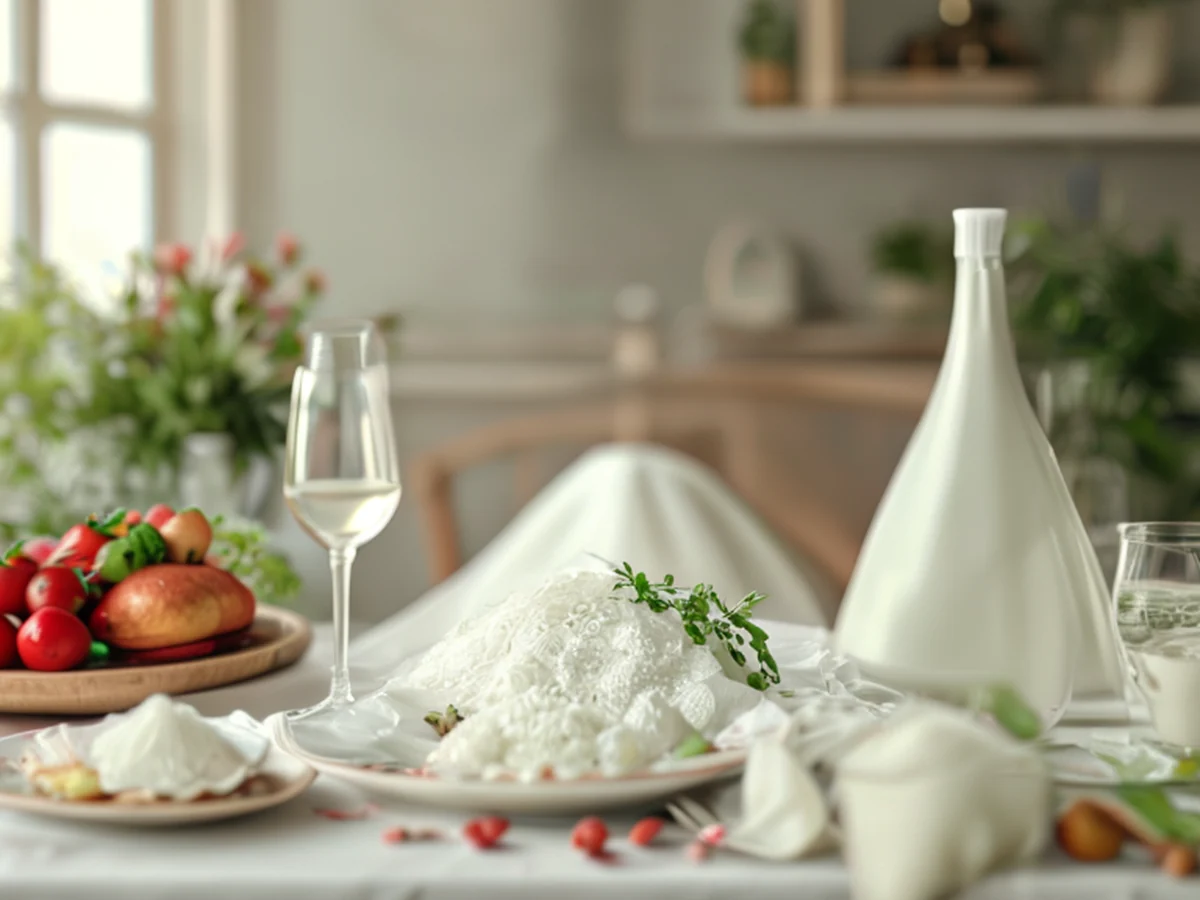
At a mahogany desk, she flips through brochures while sipping warm tea to begin her wedding food selection guide.
A bride sits at a mahogany desk, flipping through various catering brochures while sipping tea. She needs to understand the scope of the industry she is entering to make informed decisions.
The wedding industry in the United States is a massive sector that employs over one million people across 600,000 businesses and grows 2% each year. This scale means that while there are many options, the complexity of managing vendors is significant.
When you begin your wedding food selection guide, you must account for this vast network of service providers.
High-quality catering involves managing diverse guest needs and logistical requirements. Because the industry is so large, finding the right fit requires patience and research. You should look for vendors who offer transparency in their pricing and menu options.
Consider the season, the venue's kitchen capacity, and the dietary preferences of your guests.
How do you manage wedding menu criteria effectively?
A planner spreads a long linen tablecloth across a conference table, marking different sections for appetizers and main courses. The goal is to create a cohesive flow for the evening.
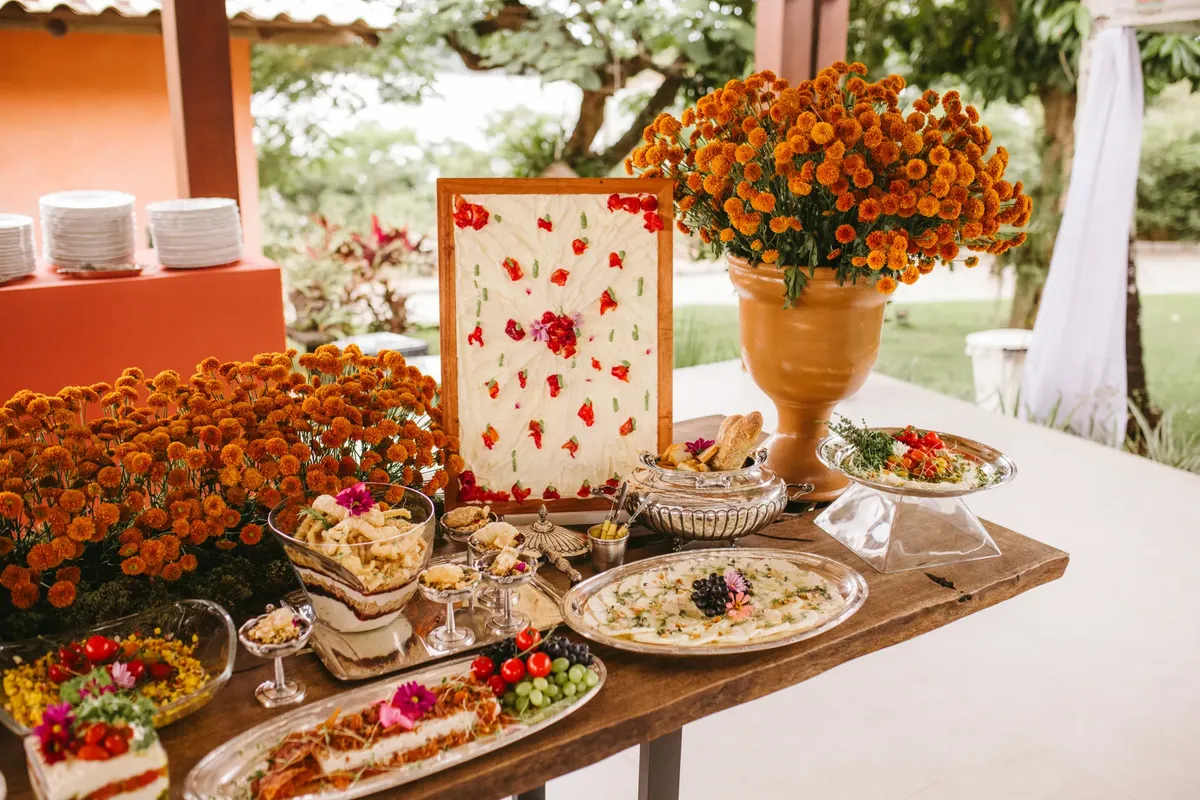
Developing effective wedding menu criteria involves balancing personal taste with guest accessibility. You must decide between plated meals, buffets, or family-style service to suit your venue.
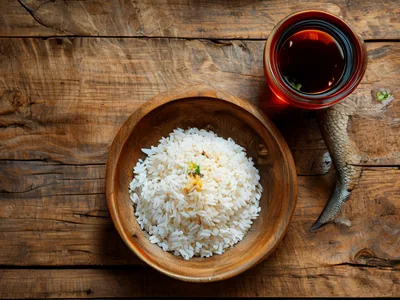
Some couples choose to honor heritage, such as when a yellow thread applied with turmeric is knotted around the bride's neck 3 times at marriage, reflecting deep cultural roots.
Effective menu planning takes into account the specific atmosphere of the venue. If the setting is formal, a plated meal might be more appropriate than a casual buffet. Always consider the dietary restrictions of your guests when finalizing your selections.
Balance the complexity of the dishes with the service style to ensure smooth execution.
What are the best ways for how to plan wedding food?
A couple walks through a garden venue, discussing how the floral arrangements might complement the seasonal menu. They want the food to feel like a natural extension of the environment.
When learning how to plan wedding food, start by defining your total budget and guest count. This foundational step prevents overspending on unnecessary extras. You should also consider the timing of the ceremony and how it affects appetite.
- Establish a firm budget to prevent unexpected costs during the planning process. 2. Select a menu that reflects the season and the venue's character. 3. Coordinate with the venue to ensure all service requirements are met.

After completing these steps, perform a final check of your vendor contracts to ensure all food service elements are clearly outlined. I remember checking every single line item on a catering contract to ensure no hidden fees were included.
- Define your total budget for catering.
- Select a cohesive culinary theme.
- Conduct a tasting session with your chosen caterer.
What should you know about wedding meal planning tips?
A caterer inspects a tray of hors d'oeuvres, ensuring each piece is perfectly presented before the guests arrive. Precision is key to a successful service.
Effective wedding meal planning tips often involve looking at historical data regarding vendor pricing. For instance, a 2016 article published by Consumer Reports identified that 28% of secret shoppers who queried vendors would be charged a wedding markup.
This reality highlights the importance of negotiating and understanding the true cost of services.
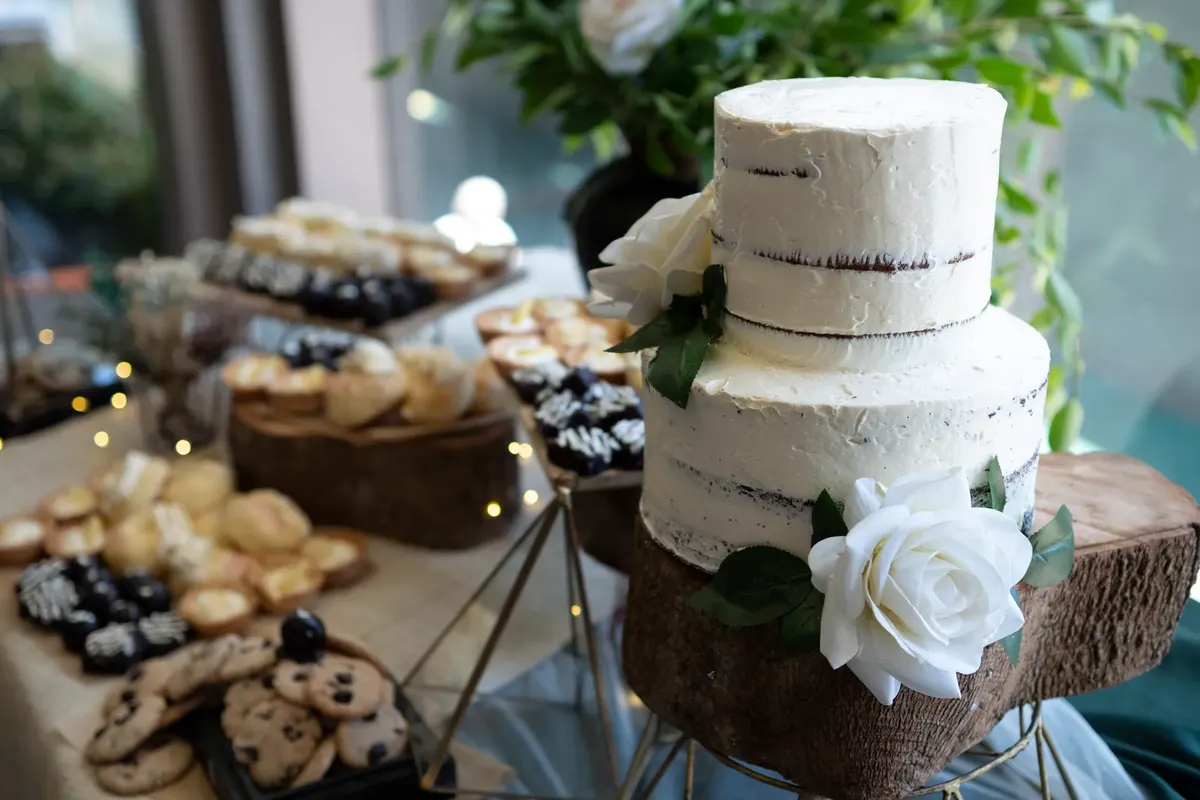
Avoid falling victim to inflated prices by asking for itemized quotes. Understanding that specialized "wedding pricing" exists can help you negotiate more effectively. Always compare the quotes you receive to ensure you are getting a fair deal for the service provided.
| Feature | Standard Catering | Wedding Specific Catering |
|---|---|---|
| Pricing Structure | Base cost per person | Often includes a specialized markup |
| Service Scope | Standard service staff | Specialized event coordination |
In this sequence, the second step is the most time-consuming.
How to handle wedding ceremony setup ideas with food?
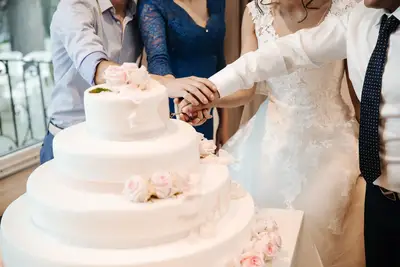
An organizer moves a floral centerpiece to a side table to make room for the cake stand. The layout must be functional for both the ceremony and the meal.
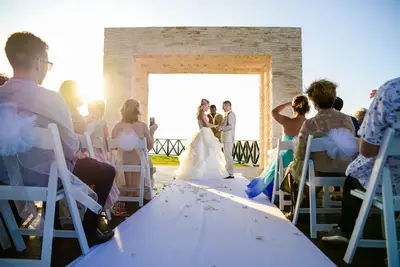
Integrating wedding ceremony setup ideas with food service requires careful spatial planning. The transition from the ceremony space to the dining area must be smooth to maintain the event's momentum.
You may need to adjust the layout depending on whether the meal is served in the same room as the vows.
Consider the flow of traffic for guests moving from the ceremony to the reception. If the venue is tight, a buffet might be difficult to manage. Plan your layout to avoid bottlenecks during the meal service.
Coordinate the food station placement to prevent congestion during the event.
What are the limitations of catering choices?
A chef looks at a limited ingredient list for a seasonal menu, realizing that certain items may not be available. Constraints often define the final menu.

A major limitation in food selection is the availability of specific ingredients or the capacity of the venue's kitchen. For example, a venue with limited kitchen space might not be able to support a complex, multi-course meal.
This constraint must be factored into your initial planning stages to avoid disappointment.
The ability to execute a menu is just as important as the menu itself. Ensure your chosen caterer has the equipment and staff to handle your specific requirements.
Venue restrictions and seasonal availability often limit the available menu options.
The same subject is also called Choosing wedding catering.
This part also covers Best wedding food options.
This part also covers Food coordination for weddings.
Related



Comments 0