Unique destination wedding trends: best travel wedding ideas
"The journey becomes the ceremony itself, turning a single day into a shared adventure across borders."
Modern destination wedding trends are moving toward intimate, experiential travel, prioritizing meaningful connections instead of traditional ballroom formality. These movements focus on traveling to specific, culturally rich locations to celebrate unions through immersive experiences.
This guide explores the motivations behind these shifts, provides an overview of how these celebrations function, and notes the logistical complexities involved.
Why choose travel for wedding?
A couple stands on a windswept cliffside, looking out over an ocean that serves as their only backdrop. They are not just exchanging vows; they are choosing a landscape that reflects their personal history.
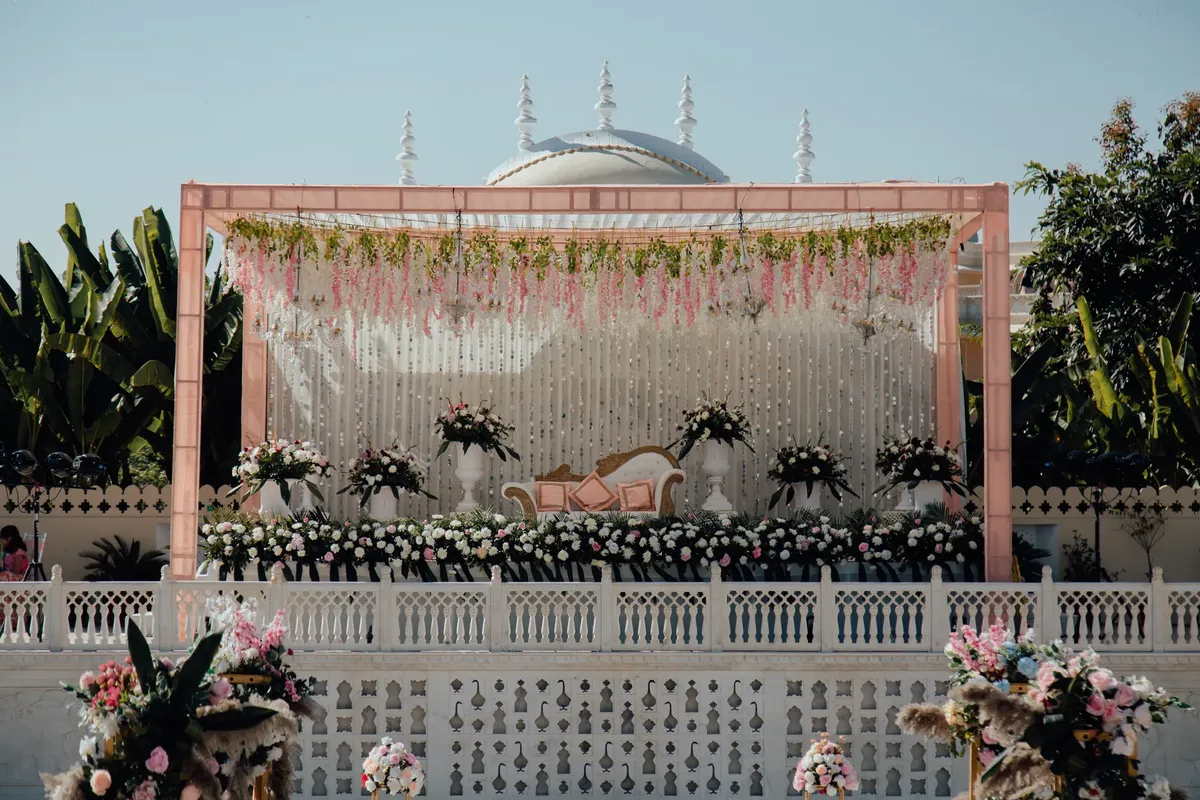
This desire for a unique setting is a primary driver for modern couples seeking to break away from local banquet halls.
Choosing a remote location allows for a more intentional atmosphere where every guest is a participant in a shared journey. The shift toward these settings often stems from a desire to create lasting memories that feel distinct from the standard wedding ritual.
Instead of hosting a large crowd in a hometown venue, couples select places that hold personal significance.
The motivation for these celebrations often involves a desire for intimacy and adventure. By selecting a specific destination, the couple ensures that the environment contributes to the emotional weight of the ceremony. This approach turns a standard event into a milestone travel experience.
Choosing a destination allows you to turn a single day into a multi-day immersive experience with your closest loved ones.
What do real destination weddings actually look like? Unique destination wedding trends
At dusk in the vineyard, guests lean forward to inhale the unique scent of blooming jasmine. As evening falls in the vineyard, guests lean over a wooden table to inhale the unique scent of blooming jasmine.
A group of friends gathers around a long wooden table under a canopy of trees in a foreign vineyard. The air smells of blooming jasmine and aged oak, marking a departure from the predictable scents of a traditional wedding hall.
This scene represents the practical application of a traveling ceremony.
Travel wedding ideas often manifest as small, curated gatherings in places like coastal villages or mountain retreats. These examples show how the environment becomes an active participant in the celebration.
While traditional weddings focus on the guest list size, these examples focus on the quality of the setting and the shared experience.
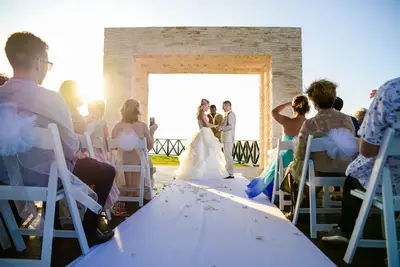
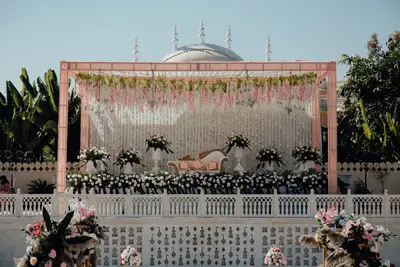
The diversity of locations shows that there is no single way to execute a destination event. Some may choose historical landmarks, while others prefer natural wonders. These real-world applications demonstrate how the venue dictates the entire tone of the celebration.
In this sequence, the second example is the most detailed.
How do I plan a mobile wedding?
A traveler packs a small suitcase, carefully selecting attire that can withstand both a flight and a tropical breeze. The process of coordination requires much more than just picking a date; it requires a logistical strategy for movement. This represents the core of managing a mobile celebration.
Planning involves several critical phases to ensure the event remains seamless despite the distance.
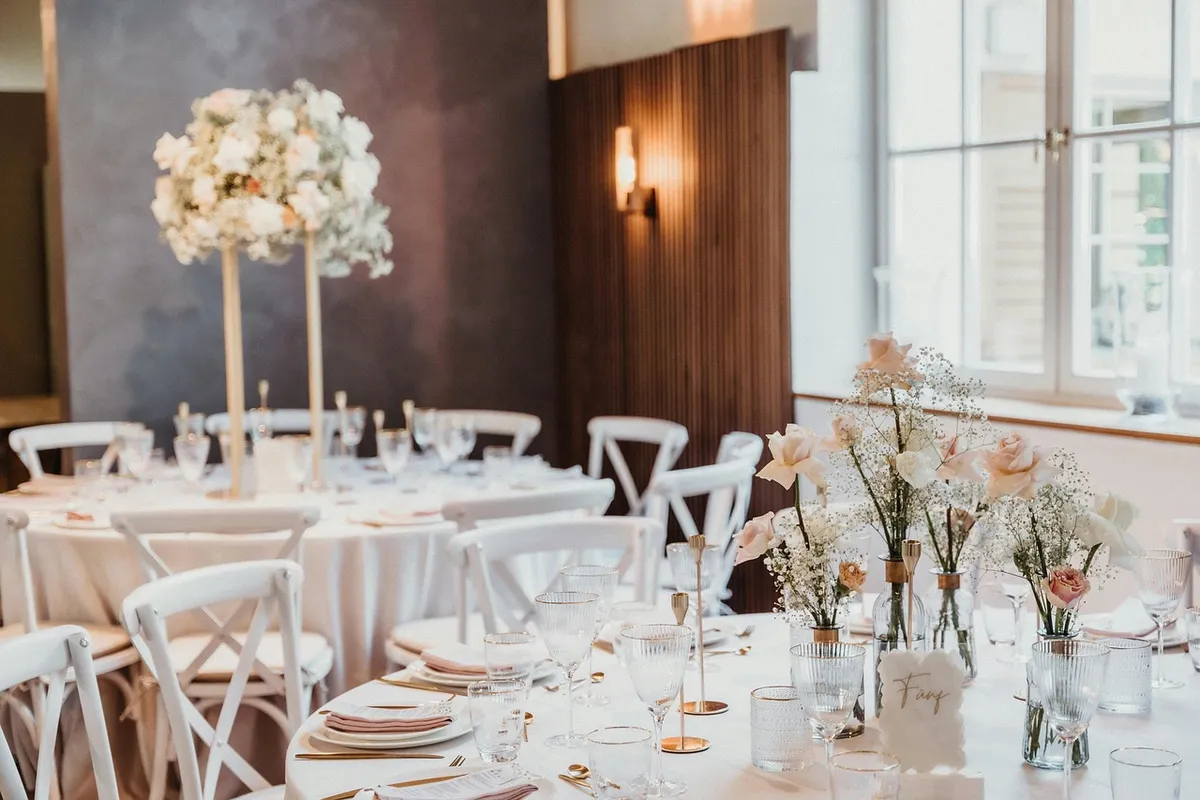
- Researching local vendors who can provide necessary services in a remote or unfamiliar area. 2. Coordinating travel logistics for the core group of attendees to ensure everyone arrives safely. 3. Selecting a venue that can accommodate the specific needs of a traveling party.
I remember looking at a map of a coastal town, trying to visualize how a small group would move from a ceremony site to a dinner location. It requires a clear vision of the timeline to prevent exhaustion among guests.
A final check of all local regulations and weather patterns is essential before finalizing any travel plans.
- Select a versatile venue that accommodates movement.
- Coordinate logistics for guest transport.
- Pack essential decor that is easy to relocate.
Destination marriage trends
A guest arrives at a boutique hotel, greeted by the sounds of a local market just outside the door. The atmosphere is vibrant, blending the formality of a marriage with the spontaneity of a vacation. This intersection defines the current state of marriage trends in the travel sector.
Destination marriage trends emphasize the integration of local culture into the wedding festivities. Rather than bringing every tradition from home, couples often adopt elements of the destination's customs. This creates a unique hybrid of the couple's identity and the location's heritage.
This trend also highlights a move toward smaller, more manageable guest lists. By limiting the number of attendees, the couple can afford more meaningful interactions with each guest. The focus shifts from the spectacle of the crowd to the intimacy of the group.
Couples are increasingly opting for intimate micro-weddings in remote, breathtaking landscapes.
Why do travel wedding ideas matter?
A traveler walks through a historic courtyard, feeling the weight of the architecture as they prepare for a ceremony. The setting provides a sense of timelessness that a modern hall often lacks. Understanding the value of these choices helps in navigating the planning process.
These ideas matter because they redefine what a wedding can be beyond a single-day event. They transform the wedding into a multi-day immersion into a new culture or landscape. This shift reflects a broader change in how people view significant life milestones.
The focus on experience over material excess is a growing theme. People are increasingly willing to invest in experiences that they can carry with them emotionally forever. This makes the choice of location a central part of the wedding's identity.
Creative travel concepts help break the mold of traditional ceremonies and create lasting memories.
Unique wedding locations
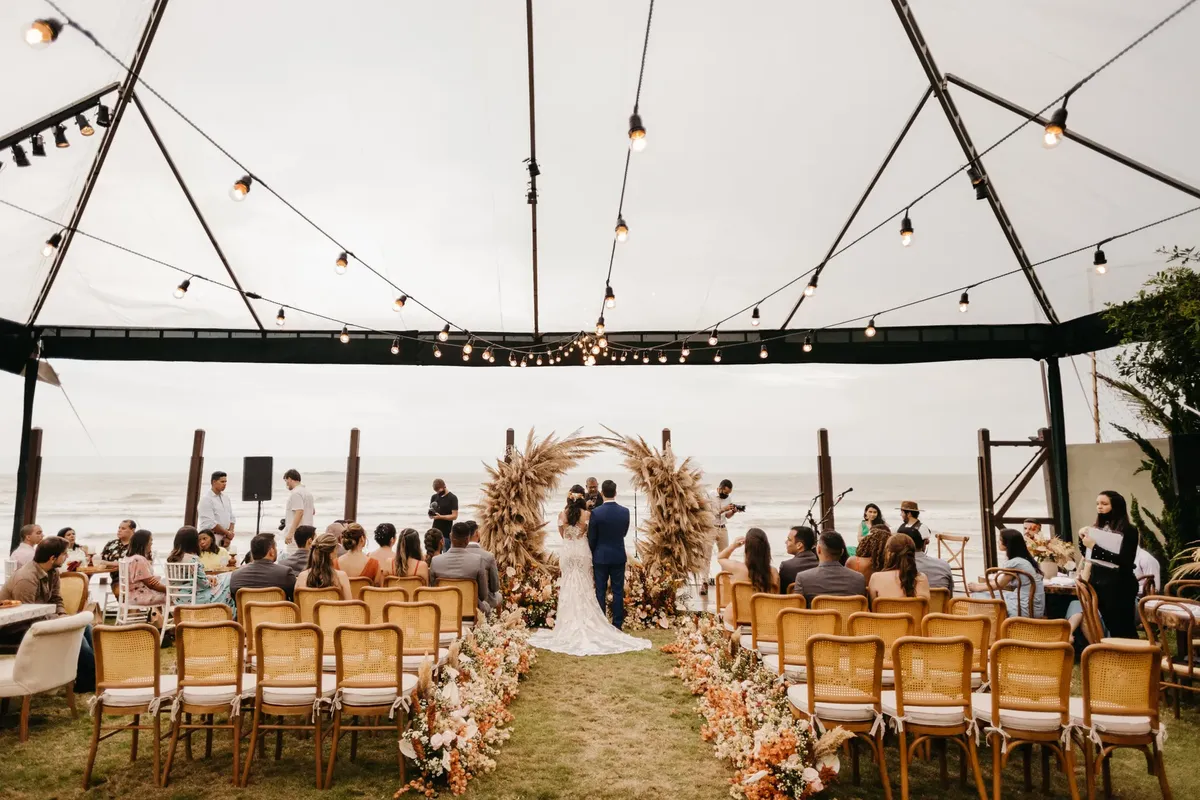
A small group sits on a quiet beach as the sun begins to set, the golden light reflecting off the water. The location is the centerpiece, making the traditional elements of the wedding feel secondary to the environment. This illustrates the impact of choosing unique spots.
Unique wedding locations provide a natural beauty that serves as built-in decor. This can significantly reduce the need for expensive floral arrangements or elaborate setups. The landscape itself tells the story of the union.
However, these locations come with specific requirements. Some may require specialized transportation or have limited access to amenities. Choosing such a spot requires a balance between aesthetic beauty and practical accessibility.
From desert dunes to mountain peaks, unconventional settings offer a stunning backdrop that stands out from typical banquet halls.
Related




Comments 0