How guest seating arrangement tips guide your seating plan
"A well-organized seating plan can turn a chaotic reception into a seamless celebration where every guest feels valued and comfortable."
Effective guest seating arrangement tips involve balancing social dynamics with the physical constraints of your venue. You should focus on grouping compatible personalities, managing family hierarchies, and ensuring easy movement for all attendees.
This guide covers essential strategies for planning, while noting that total social harmony is difficult to guarantee in large groups.
How to achieve the best guest placement?
A host stands over a large floor plan, marking names on a printed layout with a steady hand. Finding the right balance between family closeness and friend groups is the core challenge of any wedding guest seating guide.
You must consider how people interact to prevent awkward silenec or conflict at a single table.
Effective seating requires looking at the guest list through a lens of social comfort. Grouping people with common interests or shared history can foster natural conversation.
An efficient seating plan prevents friction when guests are seated with strangers or people they don't know well.
The best guest placement involves more than just filling chairs; it is about creating a social atmosphere. When you consider the layout, think about the proximity of the head table to the dance floor or buffet.
This ensures that the most active guests can move easily without disrupting the entire room.
- Group guests by their relationship to the couple.
- Place close family members in prominent positions.
- Balance the layout to ensure everyone has a clear view.
What is a successful ceremony seating strategy? Guest seating arrangement tips
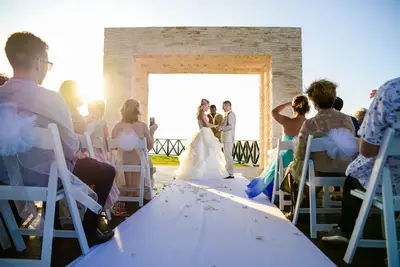
A coordinator walks through a silent chapel, adjusting the spacing between rows to ensure clear aisles. Planning the ceremony seating strategy requires a different approach than the reception, as the focus is on visibility and respect.
You must ensure that immediate family has clear sightlines to the altar.
During the ceremony, seating usually follows a traditional hierarchy where family members occupy the front rows. This structure provides a clear sense of order and respect for the couple's lineage.
A well-thought-out ceremony seating strategy allows for a smooth transition from the processional to the seated period.
When managing the ceremony, keep in mind that guests will be stationary for a significant period. Ensure that the seating allows for easy entry and exit for the wedding party. This strategic placement prevents bottlenecks during the walk down the aisle and maintains the dignity of the event.
In this sequence, the second step is the most detailed.
How to manage guest seating during the reception?
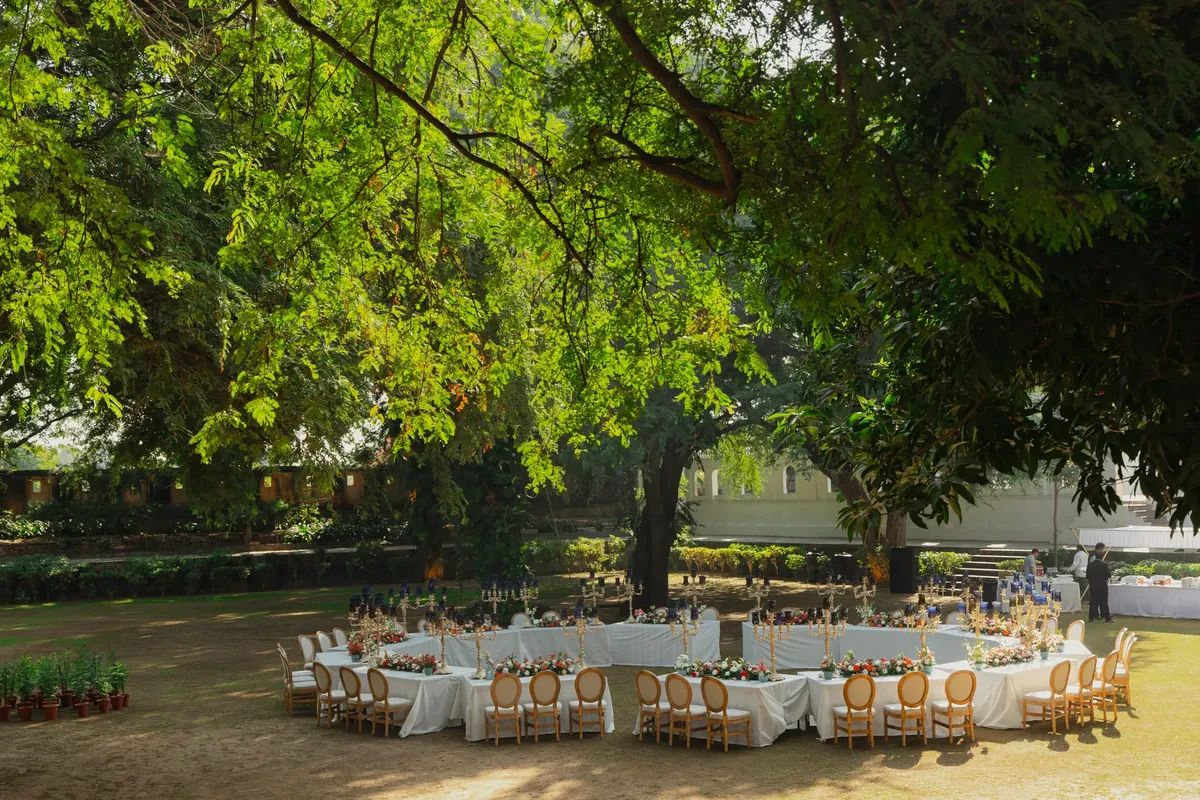
A wedding planner adjusts a seating chart on a large corkboard, moving name cards to different tables. Learning how to manage guest seating becomes complex once the guest list grows into the hundreds. You must navigate the logistical reality of table sizes and venue capacity.
To handle the logistics, you might consider these steps:
- Categorize your guest list into distinct groups such as family, close friends, and distant relatives. 2. Map out the physical dimensions of your tables to see how many people can comfortably fit without overcrowding. 3. Create a draft layout that places high-energy groups near the music and quieter groups in more relaxed areas.
I once spent three hours moving name cards between tables to ensure no one felt left out. This process of trial and error is part of finding optimal seating layout ideas that work for your specific guest list.
The logistical side of planning requires attention to detail to prevent guest frustration. You should avoid placing elderly guests near loud speakers or high-traffic areas like the kitchen entrance. By considering these comfort factors, you provide a better experience for everyone attending.
Tips for wedding seating and organization
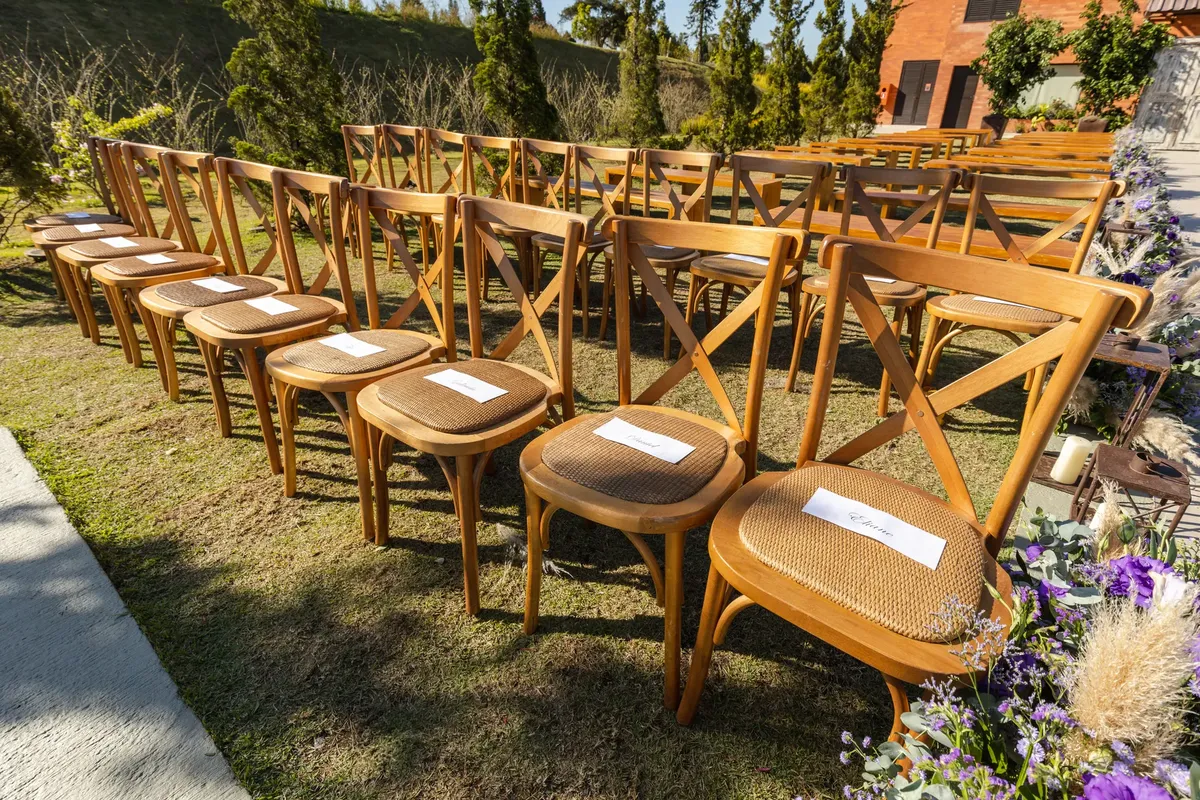
A guest arrives at the reception hall, scans the seating chart, and finds their name with ease. Successful events rely on clear signage and organized layouts so guests do not wander aimlessly. If the names are hard to find, the initial mood of the reception can shift toward confusion.
For those looking for specific tips for wedding seating, clarity is the most important factor. Use alphabetized lists or clear table numbers to help guests locate their spots quickly. This prevents a crowd from forming around the entrance, which can delay the start of dinner.
Effective organization also means having a backup plan for last-minute changes. If a guest cannot attend or an extra person arrives, you need to know which tables have enough space to accommodate them. Being prepared for these shifts keeps the event running smoothly regardless of the circumstances.
| Feature | Focus Area | Primary Goal |
|---|---|---|
| Ceremony | Sightlines and Hierarchy | Respect and Visibility |
| Reception | Social Dynamics and Flow | Comfort and Conversation |
One limitation to any seating plan is the unpredictable nature of human social dynamics, which can change once the party begins.
The subject here is Guest seating arrangement tips.
Related
- Guest communication strategy: Tips for event success
- Sugar: Tips on the History of wedding food and sweet luxury
What makes a well-organized reception flow smoothly?
- The reception layout must support the intended social dynamics, which is a key part of the overall organization. 2. Placing high-energy groups near the music aids the desired flow, while quieter groups benefit from more relaxed areas. 3. A well-organized plan also accounts for the proximity of the head table to the dance floor, allowing active guests to move freely.
This thoughtful arrangement prevents disruptions across the entire space. When designing the reception, the goal is to foster conversation through deliberate grouping. A well-organized seating plan supports this aim by placing compatible personalities together.
How should one approach the ceremony seating when the venue is restrictive?
When the chapel presents physical constraints, the coordinator must focus on visibility and respect above all else. The ceremony seating strategy demands that immediate family maintains clear sightlines to the altar. This focus on sightlines is crucial because guests remain stationary for a long duration during the ceremony.
Maintaining an organized flow during the ceremony involves ensuring that the seating allows for simple entry and exit for the wedding party. This careful placement avoids creating bottlenecks as people move down the aisle, preserving the dignity of the occasion. A well-organized approach here supports the traditional hierarchy of the event.


Comments 0