Sugar: Tips on the History of wedding food and sweet luxury
The later part of this article returns to History of wedding food.
"Food is the language of celebration, a silent witness to the vows that bind two lives together."
The history of wedding food is a journey through symbolism, where every ingredient carries a weight far beyond its flavor. From ancient grains to modern delicacies, these culinary traditions were designed to ensure fertility, prosperity, and communal unity.
* Historical roots of celebratory feasts. * The symbolic meaning behind specific ingredients. * How ritual foods evolved into modern wedding menus. * Cultural variations in wedding banquet traditions.
Why do we eat specific foods at weddings?
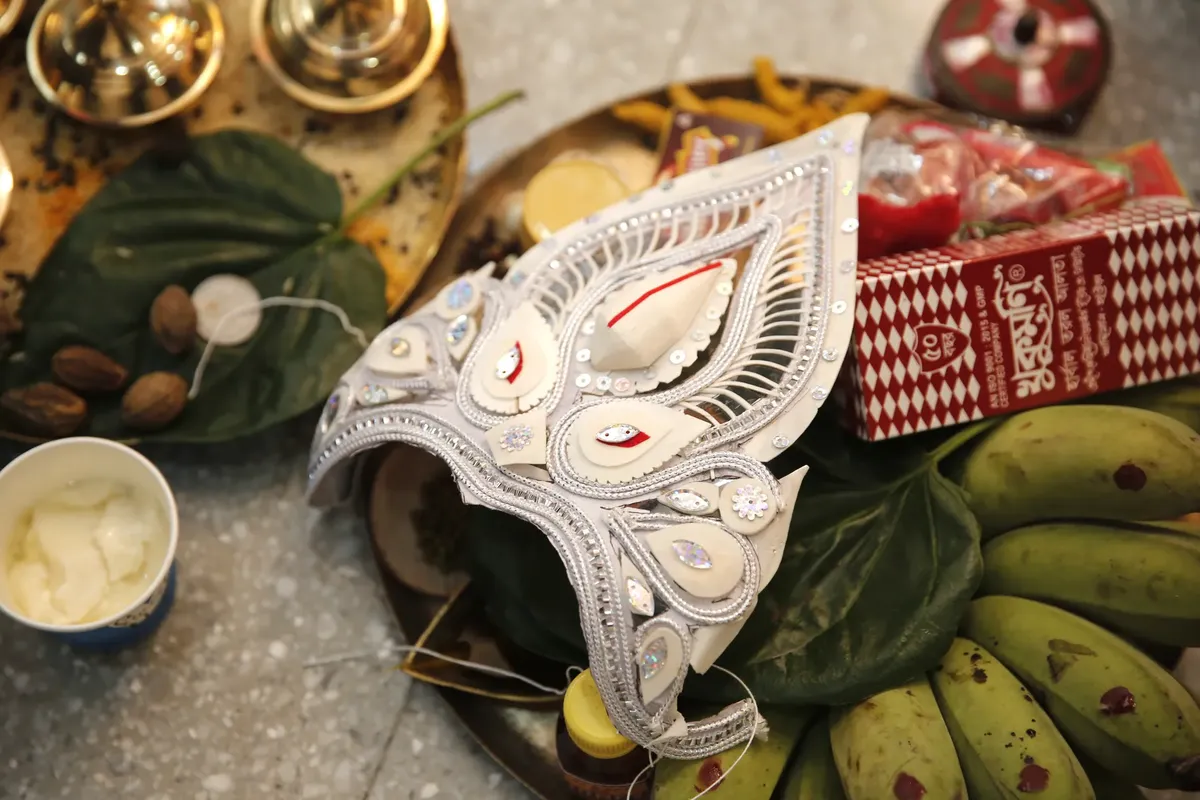
In the morning I hold sugar and walk through the next step.
I sat at a heavy oak table during a friend's wedding last autumn, watching the steam rise from a platter of spiced meats and heavy grains, wondering why we still follow these ancient patterns.
According to the Wayback Machine University of Alberta Museums Orysia Paszczak, there are 65–72 wedding traditions in Ukraine.
The answer lies in the transition from survival to celebration, where food serves as a physical manifestation of a blessing.
Historically, wedding foods were chosen to act as charms for the couple's future. In many cultures, the consumption of specific items was a way to invite luck or ward off misfortune during the transition of marriage.
For example, grains were often used to represent fertility, ensuring that the union would be fruitful.
The ritual of sharing a meal was never just about hunger; it was a social contract. By eating together, the two families were not just celebrating a union but were officially merging their resources and social standing.
This deep-seated ritual is why we still prioritize a grand feast even in an era of minimalist ceremonies.
In this sequence, the first point is the most fundamental.
The symbolic power of grain and bread History of wedding food
In the quiet kitchen at dawn, I felt the gritty texture of sugar mixed into the dough as I kneaded the bread.
Walking through a local bakery in the early morning light, the scent of yeast and flour reminds me of how central bread has always been to the marriage ritual. In many historical contexts, the breaking of bread was the most significant act of a wedding ceremony.
According to the International Press Agency, the SUKAT DI MAKAN ritual is a traditional Kankanaey food exchange before marriage in 2024.
Grain has long been a universal symbol of life and abundance. In many Mediterranean and European traditions, wheat was the foundation of the wedding feast, representing the hope for a stable and prosperous household.
The texture of the bread and the richness of the dough were direct reflections of the wealth the couple hoped to accumulate.
In some cultures, the bride would carry wheat or rice, or even break a loaf of bread over the couple to scatter seeds of prosperity. This wasn't just a gesture; it was a ritualized prayer for the couple's survival and growth.
The transition from raw grain to baked bread mirrors the transformation of the individuals into a single family unit.
- Select heirloom varieties to honor heritage.
- Incorporate local grains to ground the celebration.
- Present the bread as a communal centerpiece.
How did sugar and sweets change the feast?
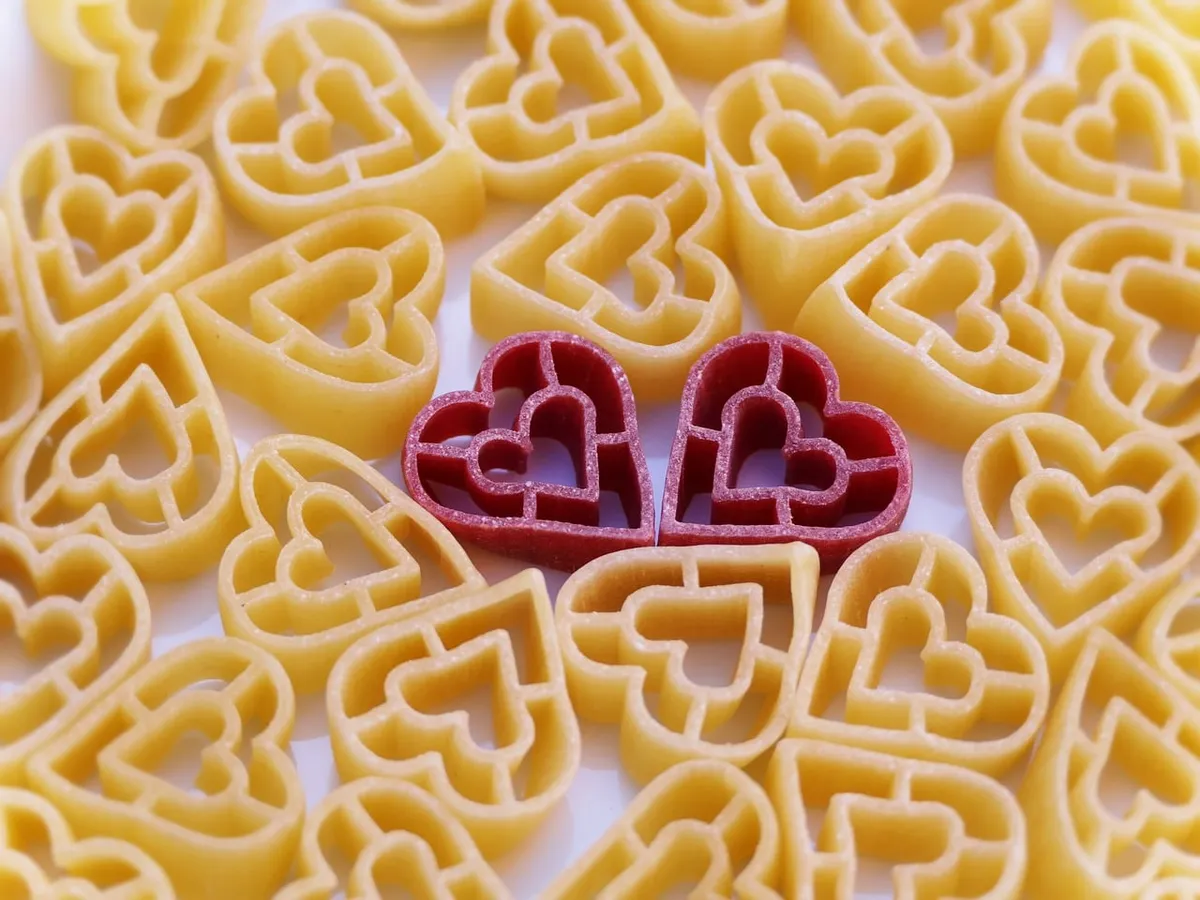
Standing in line at a dessert buffet, watching guests carefully select colorful pastries, I realized that the sweetness of modern weddings is a relatively recent luxury. The introduction of sugar transformed the wedding meal from a heavy, savory affair into a multi-course sensory experience.
According to the Australian Museum, food culture discussions often address what is wrong with Malthus in 2014.
Historically, the transition toward sweet wedding foods marked a shift in societal wealth. In eras where sugar was a precious commodity, a sweet wedding cake or honey-drenched pastry was the ultimate display of hospitality and status.
It served to "sweeten" the lives of the newlyweds, a literal interpretation of a figurative wish.
The evolution of the cake, in particular, shows this progression. What began as spiced, fruit-filled breads has turned into the towering, architectural centerpieces we see today.
Despite the change in form, the core intent remains: to provide a taste of the "sweet life" that the couple is expected to lead.
What role does meat play in traditional banquets?
I remember the heavy, aromatic scent of a roasted centerpiece at a formal wedding dinner, a tradition that dates back to the most ancient of ceremonies. Meat has always been the centerpiece of the wedding feast, representing strength, sacrifice, and the communal nature of the event.
According to the USDA, food prices and spending are relevant topics in 2026.
In many historical societies, a wedding was a significant economic event, and the slaughter of livestock was a way to demonstrate the family's generosity. A large roast or a communal pot of meat was a way to feed the entire community, reinforcing the bonds between the families and their neighbors.
Certain animals were chosen for specific symbolic reasons. For instance, poultry was often used to represent domesticity and nurturing, while larger meats represented the strength of the new household.
This tradition of the "wedding feast" centered around a protein-rich meal helped establish the social hierarchy and the ability of the hosts to provide for their guests.
How to select meaningful wedding food
When planning a menu that honors tradition while remaining modern, it is helpful to look at the underlying themes of your own heritage. You can create a cohesive experience by following these steps:
- Identify the primary symbolic themes of your heritage, such as fertility, prosperity, or protection. 2. Select ingredients that align with these themes, such as grains for stability or honey for sweetness. 3. Balance the menu by combining traditional heavy elements with modern, lighter textures to ensure guest comfort.
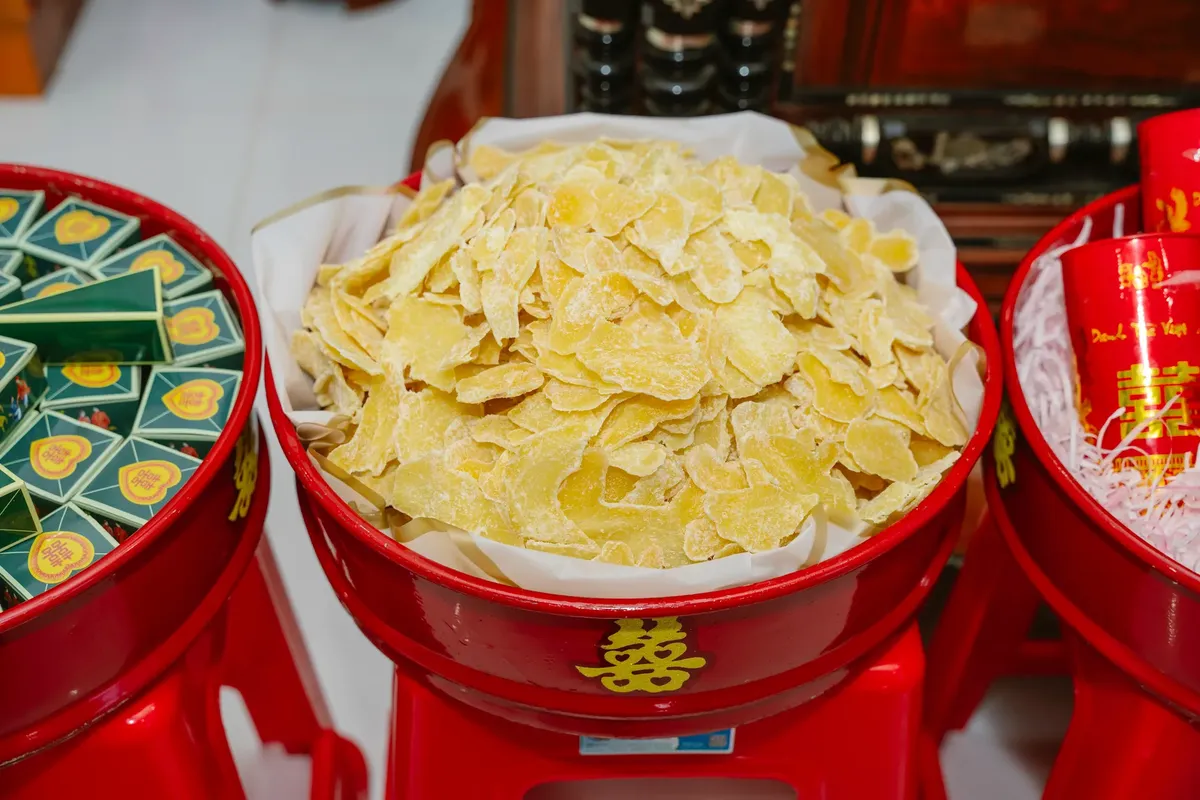
I once helped a friend design a menu where we chose ingredients based on her grandmother's recipes, ensuring the history was preserved in every bite. This approach turns a meal into a storytelling tool.
A limitation of following strictly historical recipes is the availability of ingredients and modern dietary requirements. For example, using heavy spice blends or specific raw ingredients common in ancient times may not suit the palate of a modern guest or meet contemporary health standards.
When I tried the steps in order, the second one is where I paused longest.
The same subject is also called Wedding food origins.
The same subject is also called Meaning of wedding meals.
The same subject is also called History of wedding dishes.
The same subject is also called Traditional wedding food.
This part also covers Evolution of wedding meals.
Related

Comments 0