Guide to Korean groom attire meaning and cultural logic
The subject here is Korean groom attire meaning.
"The attire of a groom in a traditional Korean wedding is not merely a fashion choice, but a profound ritualistic garment representing social status and familial respect."
Understanding the historical weight of a groom's clothing helps clarify why modern ceremonies still carry such specific ceremonial gravity. This guide explores the symbolic meanings, historical transitions, and the cultural logic behind the groom's attire. 1. The transition from traditional hanbok to modern suits. 2. The symbolic meaning of specific colors and patterns. 3. Historical social hierarchies reflected in ceremonial dress. * How ritualistic respect is communicated through fabric and form.
What does the groom's attire represent?
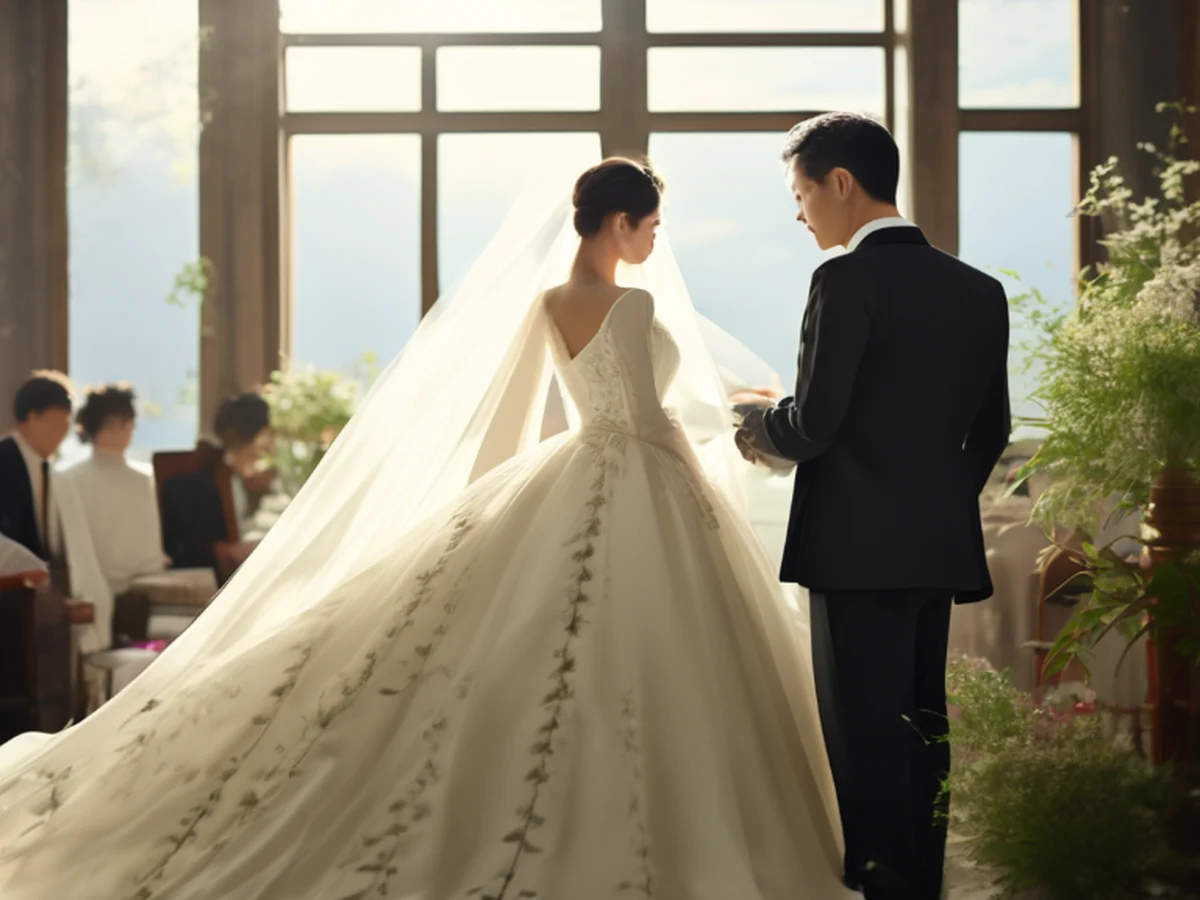
The groom smoothed the heavy silk of his traditional Korean robe in the quiet courtyard as the morning sun warmed his skin.
A heavy silken robe brushed against the wooden floor of a traditional courtyard during a morning ceremony. The groom stood tall, the weight of the fabric signifying the gravity of his new responsibilities.
In a traditional Korean wedding, the groom's attire serves as a visual declaration of his transition from a son to a head of a household, embodying respect for his ancestors and his new family.
The attire is much more than a costume; it is a vessel for social and familial values. Historically, the specific layers and colors were dictated by the social standing of the family and the ritualistic requirements of the ceremony.
The groom's clothing acts as a bridge between his past identity and his future role as a protector and provider.
While the modern era has seen a shift toward Western-style suits, the underlying intent of showing dignity and honor remains unchanged. Even when wearing a tuxedo, the etiquette of the ceremony reflects the same principles of reverence found in historical garments.
However, these symbolic interpretations may not apply if the attire is chosen purely for personal aesthetic preference rather than tradition.
How did social status shape the history of clothing? Korean groom attire meaning
In the evening I hold korean and walk through the next step.
A scholar in the Joseon Dynasty adjusted his deep blue robe, ensuring the embroidery was perfectly aligned before entering the ancestral hall. This careful adjustment was not about vanity, but about adhering to the strict social codes that governed every aspect of life.
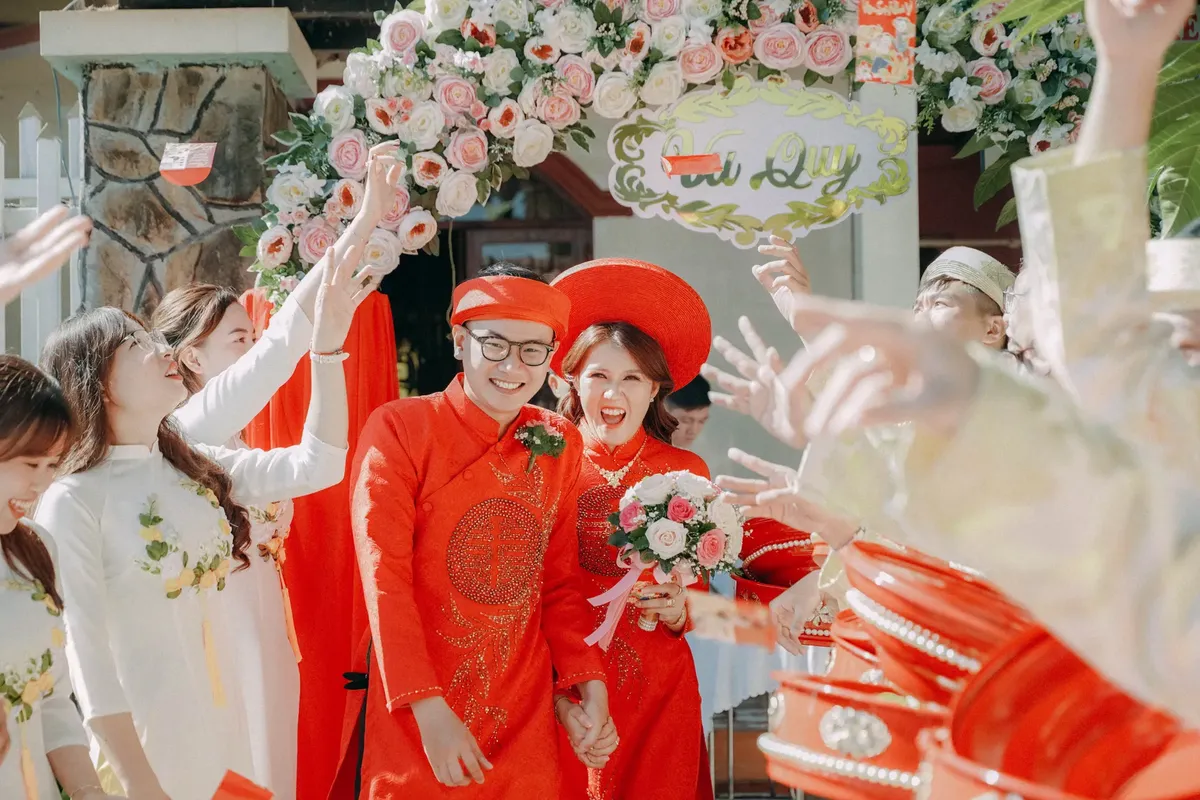
The history of Korean wedding attire is deeply intertwined with the class system of the Joseon era.
Historically, the type of clothing a groom could wear was strictly regulated by his social class. For the nobility, or yangban, the attire often included specific colors and high-quality silks that were unavailable to commoners.
These garments were designed to manifest the dignity of the scholar-official class.
The complexity of the embroidery and the quality of the dye were immediate indicators of the family's standing. These visual cues allowed the community to recognize the legitimacy and the social weight of the union being celebrated.
- Distinction was established through fabric quality. 2. Social hierarchy was reinforced through specific cuts. 3. Regulations often dictated which classes could wear certain colors.
The recorded figure is 96%.
What is the symbolic meaning of the traditional colors?
The sun rose over the tiled roofs, casting a golden light on the vibrant red and blue threads of a ceremonial hanbok. A groom might feel the contrast between the deep hues and the bright embroidery, realizing that every color tells a story.
In traditional Korean wedding attire, colors are used to represent the harmony of Yin and Yang.
The color palette often balances masculine and feminine energies to signify a perfect union. Red is frequently used to represent joy, vitality, and protection against evil spirits, while blue often symbolizes the masculine principle or the sky.
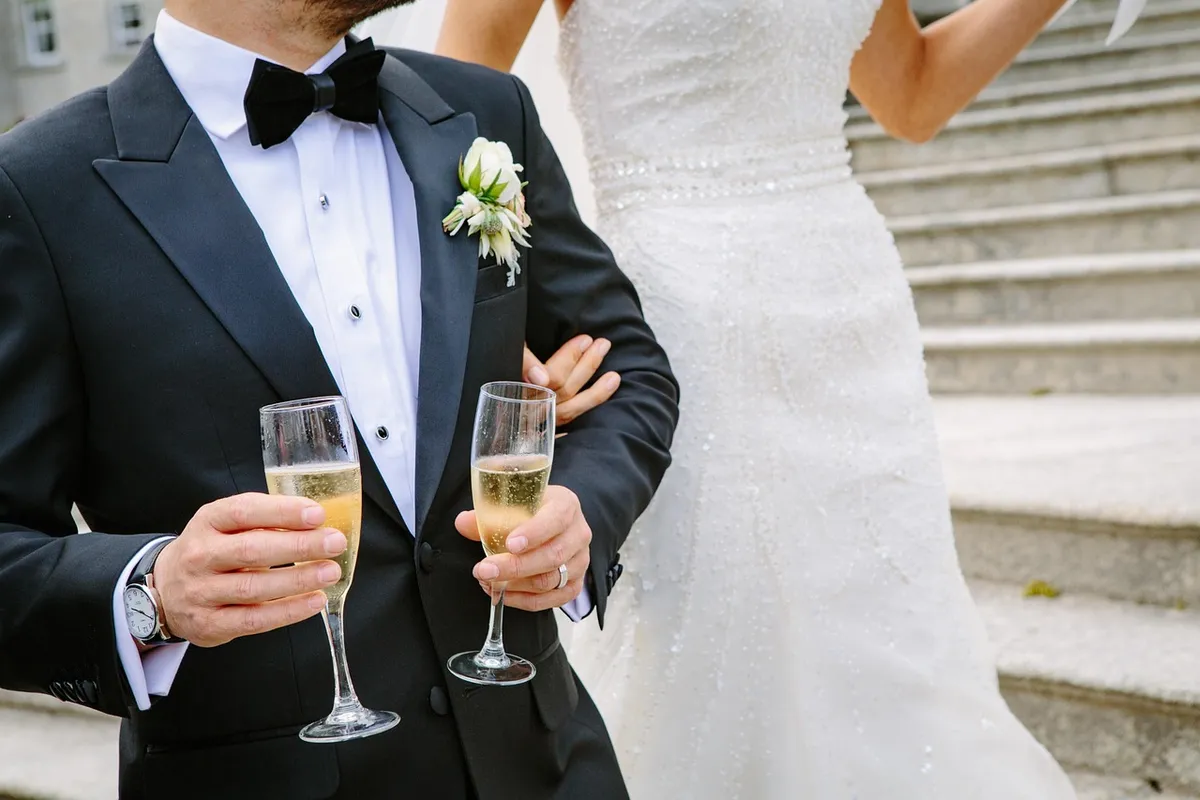
This balance is essential to the concept of harmony, which is the ultimate goal of a marriage.
The interplay of these colors is not random. It is a calculated attempt to bring the cosmic balance of the universe into the domestic sphere of the couple. By wearing these colors, the groom accepts his part in maintaining this universal harmony.
I find that the second point regarding color symbolism is the most detailed.
How did the transition to modern suits occur?
A man stands before a mirror in a sleek, charcoal-gray suit, reflecting on the sharp lines of the modern silhouette. The transition from the voluminous layers of the hanbok to the structured tailoring of the Western suit represents one of the most significant shifts in Korean cultural history.
This change began during the late 19th and early 20th centuries as Korea opened to global influences.
As Western culture integrated into Korean society, the practicality and global recognition of the suit began to rival the traditional hanbok.
The suit offered a streamlined look that fit the changing pace of urban life, yet it was often paired with traditional elements during the wedding ceremony to maintain a sense of heritage.
Modern grooms often navigate two worlds: the Western suit for the main ceremony and the traditional hanbok for specific ritualistic moments. This duality allows for a modern aesthetic while still honoring the historical roots of the wedding ritual.
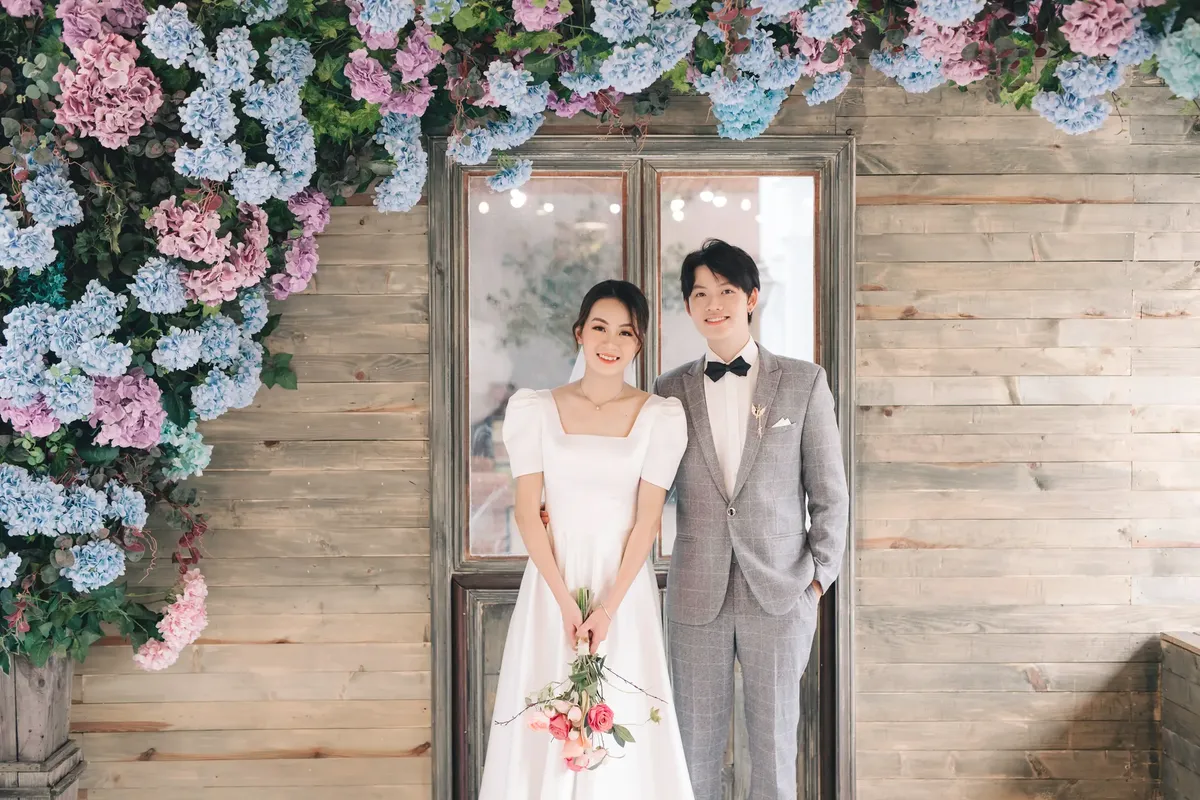
This historical shift does not account for regional variations where traditional garments remained dominant.
How can one apply traditional etiquette to modern weddings?
A guest watches as the groom bows deeply to his parents, the movement smooth and practiced despite the modern setting. Even in a contemporary wedding, the core values of the groom's attire—respect, dignity, and ritual—can be applied through specific actions.
According to the Arbitration Council, a man may face criminal and civil charges if he enters into a second marriage without the agreement of his first wife or the Arbitration Council's approval, as clarified by the Supreme Court of Pakistan on 26 January 2026.
If you are participating in or planning a wedding that honors these traditions, consider these steps:
- Select fabrics that convey dignity, such as high-quality wool for suits or heavy silk for hanbok, to reflect the importance of the occasion. 2. Incorporate traditional color palettes or subtle embroidery into modern attire to maintain a connection to the symbolic meaning of the union. 3. Ensure that the grooming and the fit of the clothing prioritize a neat, respectful appearance that honors the elders present.
By following these principles, the groom maintains the spirit of the historical attire even when the garments themselves have changed. I have observed that even in the most modern metropolitan weddings, a subtle nod to traditional colors can elevate the emotional weight of the ceremony.
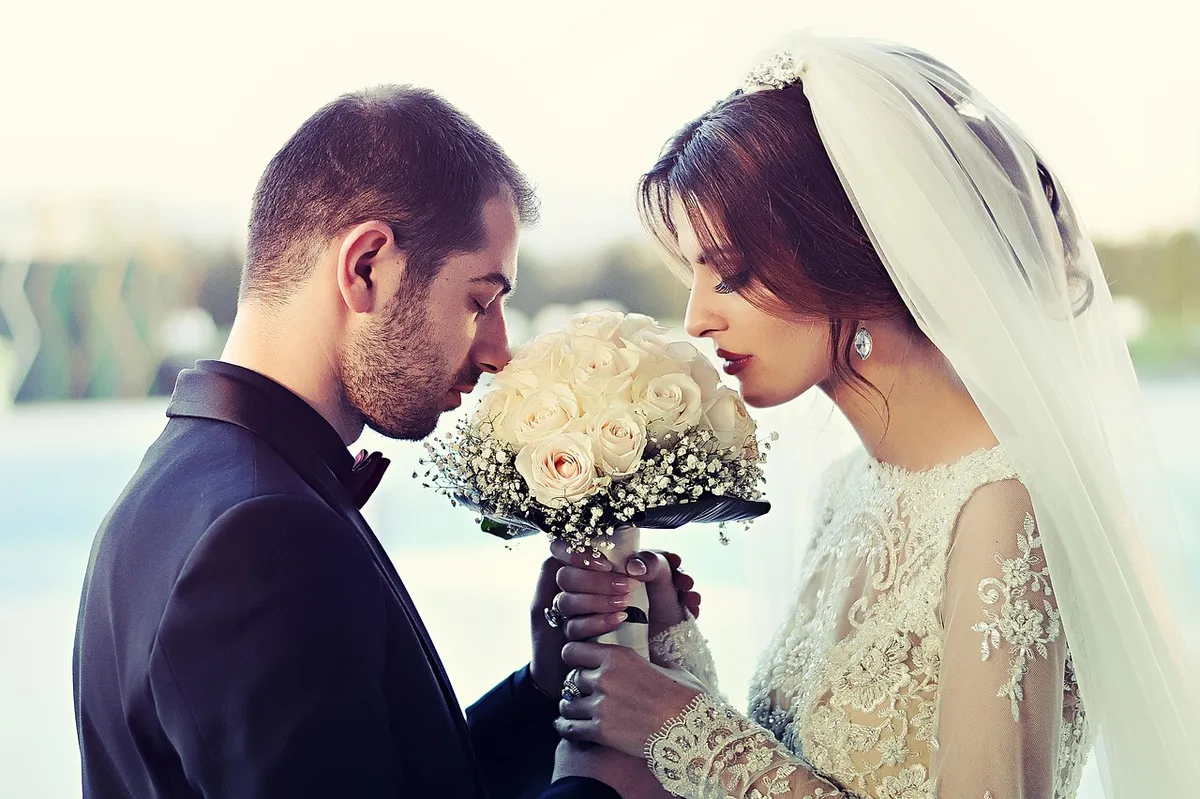
The transition to modern styles can sometimes obscure the deep symbolic meanings of the original garments. Because the historical context of the Josecd Dynasty is different from modern urban life, the specific rules of color and fabric may no longer apply to every wedding setting.
The effectiveness of these etiquette rules is limited when they conflict with the specific cultural context of the ceremony.
When I tried the steps in order, the second one is where I paused longest.
This order does not hold, however, when the figure is not 96%.
| Item | Figure |
|---|---|
| 1 | 96% |
| 2 | 1% |
The subject here is Korean groom attire meaning.
The same subject is also called Korean wedding groom dress.
The same subject is also called History of groom clothing.
The same subject is also called Meaning of groom attire.
The same subject is also called Korean wedding outfit history.
This part also covers Symbolism of groom attire.
This part also covers Evolution of wedding dress.
Related

Comments 0