Why Groom's White Attire Matters in British Weddings 1
This article is about Weddings. "To wear white is to step out of the shadows of the past and into the light of a shared future."
The significance of a groom wearing white or light-colored attire in a British wedding is not about matching the bride, but about honoring a specific tradition of formality and the ceremonial transition of status.
This choice reflects a deep-seated respect for social etiquette and the gravity of the marital ritual.
* Understanding the symbolic distinction between bridal and groom attire. * Exploring the historical roots of formal morning dress in the UK. * Recognizing how light colors signify a celebratory transition. * Navigating the etiquette of color coordination in British ceremonies.
Why do some grooms choose white or cream?

The sun hit the polished brass of the buttons on a heavy morning coat as the groom adjusted his cuffs in a quiet dressing room in Cotswolds.
Choosing a white or cream waistcoat or a light-colored suit is a conscious nod to centuries of British cultural tradition and the specific requirements of high-formality ceremonies.
While modern trends often lean toward darker navy or charcoal, light-colored attire serves a specific ceremonial purpose. It distinguishes the groom from the general guest list and signals a special status.
In many traditional settings, the groom's white or cream elements—such as a waistcoat or a linen suit for summer weddings—act as a bridge between the formality of tradition and the joy of the occasion.
The choice of white or ivory is often a deliberate move to harmonize with the wedding's color palette while maintaining a sharp, structured silhouette. It is less about being a "matching set" and more about a unified aesthetic that respects the elegance of the event.
Choosing these shades often reflects a desire for elegance and a departure from traditional dark formalwear.
How does the groom's white attire differ from the bride's white dress?
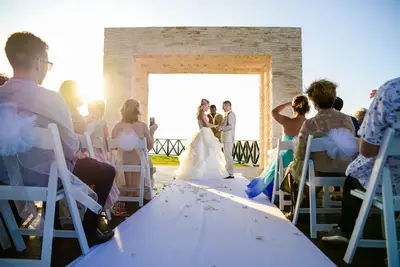
A heavy velvet curtain muffled the sound of the chapel bells as the groom looked at his reflection, noting the sharp contrast between his structured waistcoat and the flowing lace of the bride's gown. The distinction between the two lies in the underlying message of the garments.
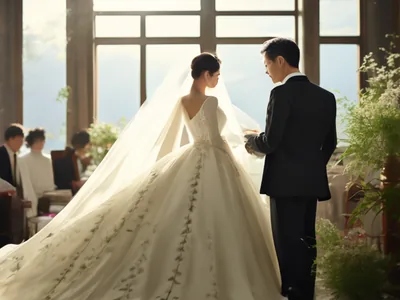
The bride's white gown traditionally emphasizes romantic idealism and purity, often featuring elaborate lace and voluminous silhouettes that draw the eye to the center of the ceremony.
In contrast, the groom's attire—which might include a white or cream waistcoat, a light suit, or a morning coat—emphasizes structure, formality, and steadfastness.
While the bride's dress is often a symbol of a singular, transformative moment, the groom's light-colored elements provide a sophisticated frame for that moment. The groom's clothing is designed to be dignified and enduring, providing a solid visual counterpart to the bride's more ethereal look.
| Feature | Bride's White Gown | Groom's Light Attire |
|---|---|---|
| Primary Focus | Romance and Idealism | Structure and Formality |
| Visual Impact | Voluminous and Ethereal | Tailored and Steadfast |
| Traditional Role | Centering the Ceremony | Providing a Dignified Counterpart |
While the bride's gown is often the focal point, the groom's light attire typically utilizes structured fabrics like linen or heavy silk to maintain a masculine silhouette.
What is the historical context of these colors?
The smell of old wood and beeswax filled the air as the groom stepped into the ancestral hall, feeling the weight of history in the tailored fabric of his suit. To understand why light colors are used, one must look at the evolution of formal menswear and the social cues of the British class system.
Historically, the use of white or light colors in menswear was often tied to specific seasons or levels of formality. For example, cream-colored linen or light wool was the standard for summer weddings or outdoor ceremonies to manage heat while maintaining a high level of decorum.

The color was a way to signal that the wearer was participating in a festive, daylight ritual rather than a somber evening event.
Furthermore, the introduction of more structured morning dress meant that lighter elements, like a cream waistcoat, could be used to elevate a standard suit. This allowed the groom to stand out without overshadowing the bride.
It was a way to honor the sanctity of the ritual through careful attention to detail and color coordination.
Historically, light-colored suits were reserved for warm climates or summer festivities, signaling a break from the somber tones of Victorian-era formality.
How to coordinate light colors for a British wedding?
The groom stood at the threshold of the garden, the light morning sun catching the subtle texture of his cream-colored vest. Coordination requires a delicate balance between personal style and the established rules of wedding etiquette.
When incorporating white or light colors into a groom's wardrobe, follow these steps to ensure a cohesive look:
- Select a base color that complements the wedding season, such as charcoal or navy, then use a white or cream waistcoat to add ceremonial flair. 2. Match the shade of the waistcoat or shirt to the bride's gown to ensure they do not clash, especially if her dress is ivory rather than pure white. 3. Incorporate light-colored accessories, like a silk tie or pocket square, to bridge the gap between the dark suit and the light elements.
This approach ensures the groom looks festive and distinguished without appearing as though he is wearing a costume. The goal is a seamless integration of tradition and modern elegance.
I remember watching a groom in a perfectly tailored cream linen suit during a summer wedding in Kent; he looked remarkably sharp yet appropriately relaxed for the setting. This balance is key to successful coordination.
This method of coordination does not apply to strictly black-tie evening events, where dark, formal evening wear is the mandatory standard.
- Select a fabric weight that suits the outdoor setting.
- Match the groom's cream tones to the warmth of the bridal palette.
- Incorporate subtle textures to prevent the look from appearing too flat.
What is the meaning of the transition?
The heavy doors of the church creaked open, and the groom took a deep breath, stepping away from his old life and toward his new one. The choice of white or light attire is a symbolic representation of this life transition.
In many cultures, including British tradition, white is the color of new beginnings. By incorporating white or light elements, the groom signals his readiness to step out of his single life and into the shared responsibility of marriage.
It is a visual representation of clarity, honesty, and the "clean slate" that a wedding represents.
The attire serves as a ritualistic tool. It marks the wearer as someone undergoing a change in status. Just as the bride's dress marks her transition, the groom's careful selection of formal, light-colored pieces serves as a public declaration of his commitment and his new role within the community.

In this sequence, the second step is the longest.
The record names the year 2015.
The record names the year 1967.
When I tried the steps in order, the second one is where I paused longest.
The groom's attire does not need to be an exact match to the bride's dress. While it is common to coordinate shades—such as matching a cream waistcoat to an ivory gown—the groom's clothing should primarily focus on structure and formality.
Related

Comments 0