Chinese Red Dress Guide: Symbolism and Meaning of Luck
This article is about Symbolism. "The red of the gown is not just a color; it is a shield of luck and a vessel for a family's future."
Traditional Chinese wedding attire and the accompanying rituals serve as a bridge between ancestral respect and the creation of a new lineage, centering entirely on the symbolic transformation of the bride.
This guide explores the deep meanings behind the red silk, the intricate hair ornaments, and the ritualistic steps that define a traditional ceremony.
* The Significance of Red: Understanding why crimson dominates the wedding palette. * Ritualistic Transitions: How the bride moves from her family to her husband's. * Symbolic Attire: The meaning behind embroidery and traditional headpieces. * Modern Integration: How contemporary brides blend Western and Eastern elements.
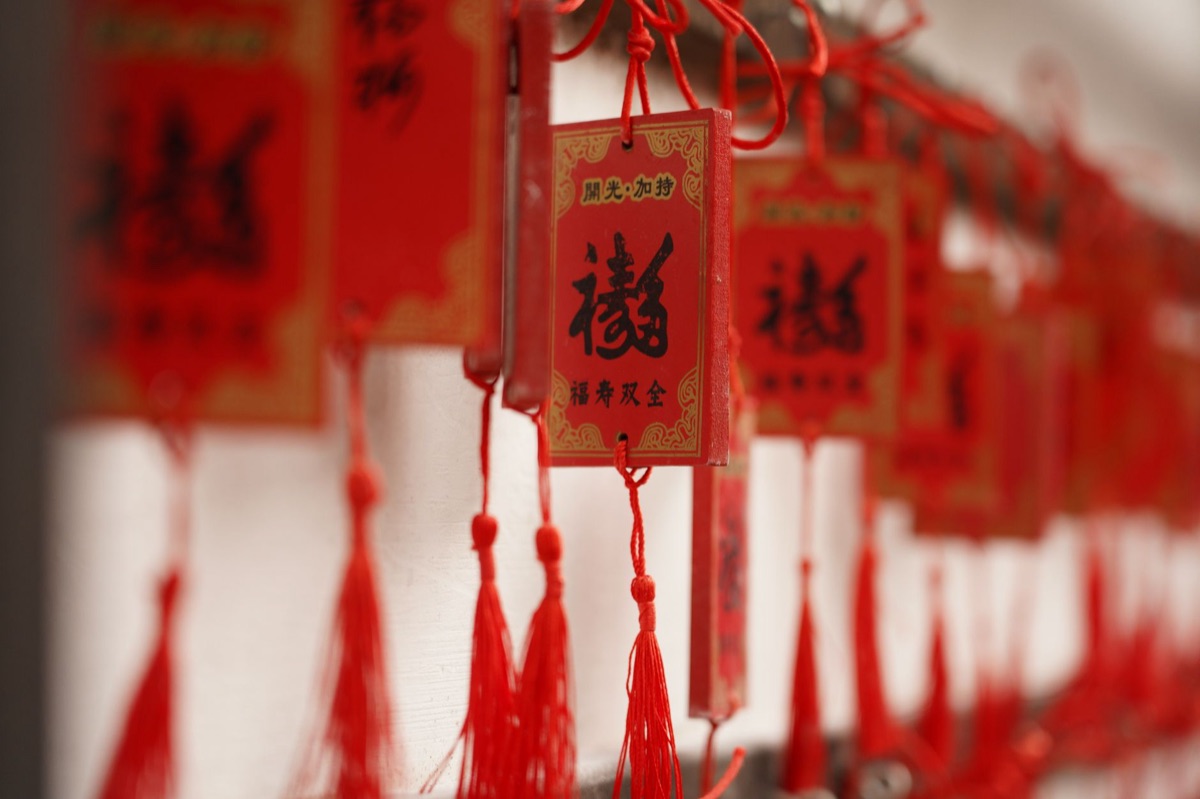
What makes the red dress so significant?
The heavy scent of sandalwood fills a quiet courtyard as a bride pulls on a stiff, silk robe. The fabric is a deep, vibrant crimson, catching the light with every movement of her hands.
This specific shade of red is the heartbeat of the wedding, representing joy, prosperity, and the warding off of negative energy.
In a traditional setting, the bride's attire is much more than a fashion choice; it is a ritualistic tool used to signal a change in social status. Red is traditionally chosen because it symbolizes luck and vitality, ensuring that the couple begins their life with maximum energy.
While modern brides might opt for white for the ceremony, the red gown remains the essential centerpiece for tea ceremonies and traditional banquets.
The embroidery often features motifs like the dragon and phoenix, which represent the balance of masculine and feminine energies. This pairing ensures that the union is seen as a harmonious union of two forces.
By wearing these symbols, the bride carries the weight and the blessing of her heritage into her new home.
How does the bridal entrance work?
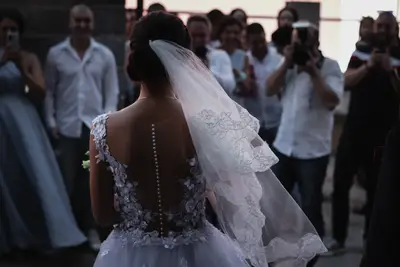
A group of bridesmaids gathers at a wooden door, laughing and playfully hiding the groom's shoes. Beyond the door, the bride waits, her veil slightly obscuring her face as she prepares to step into a new life.
This entrance is a choreographed transition from the private sphere of her childhood home to the public sphere of her marriage.
The bridal procession is a structured ritual that marks the bride's departure from her maidenhood. Traditionally, this journey involves the bride being escorted by family members, often accompanied by loud, celebratory music to announce her arrival.
This public display serves to introduce her to the community and the groom's extended family, establishing her new identity.
The movement from the family home to the wedding venue is a symbolic journey of transition. It is not merely a physical relocation but a social one.
Every step taken during the procession reinforces the idea that the bride is being presented to her new family, moving from one lineage to another through a series of respected social protocols.
What is the meaning behind the veil and headpiece?
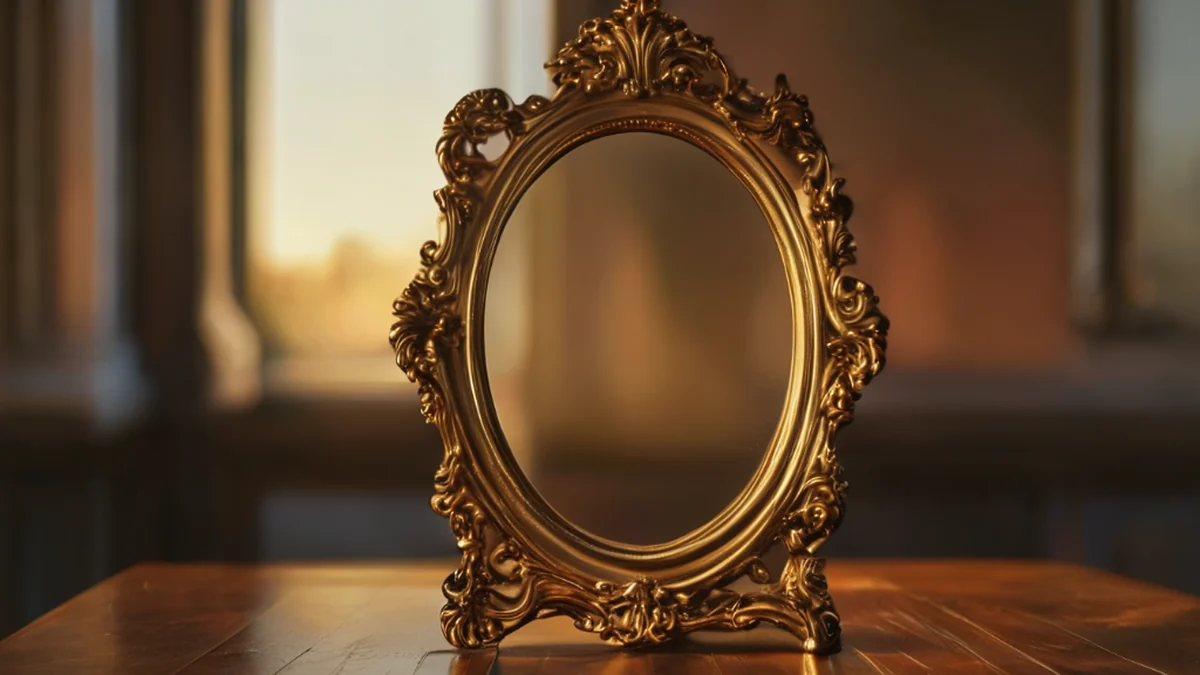
The bride catches her reflection in a bronze mirror, adjusting a heavy, golden phoenix crown that sits atop her head. The weight of the metal is a constant reminder of the dignity and the responsibility she is assuming.
This headpiece is a masterpiece of craftsmanship, designed to elevate the bride to a queen-like status for the day.
Historically, the veil and elaborate headpieces represented modesty, purity, and the sanctity of the transition. In many traditional settings, the veil served to shield the bride from the gaze of others until the proper moment of union, preserving her mystery and grace.
The headpiece, often featuring intricate goldwork, signifies the wealth and the honor of the families being joined.
These items are much more than decorations; they are symbols of the bride's transition from a young woman to a matriarch. The gold and red combined create a visual language of success.
When the bride wears these pieces, she is not just a person, but a living symbol of the continuity of her family line.
How do the tea ceremonies change the bride's role?
The steam from a porcelain teapot rises in a thin, white line against the dark wood of the tea table. The bride kneels carefully, her silk skirt pooling around her, as she prepares to serve the elders.
This moment is the quietest yet most profound part of the day, where the hierarchy of the family is acknowledged.
The tea ceremony is a foundational ritual where the bride and groom show respect to their elders. By serving tea, the bride formally enters the family structure, acknowledging the wisdom and authority of her in-laws.
This act is a gesture of filial piety, a core value that underpins the entire social fabric of the wedding.
| Element | Traditional Meaning | Modern Application |
|---|---|---|
| Red Silk | Luck and Vitality | Statement pieces and reception wear |
| Dragon/Phoenix | Balance of Energies | Subtle embroidery on white gowns |
| Tea Ceremony | Filial Piety and Respect | Family-focused morning ritual |
| Gold Jewelry | Wealth and Status | Heirloom pieces passed down through generations |
This ritual acts as a formal welcome. It is during these quiet moments of pouring and kneeling that the bride's role as a daughter-in-law is solidified. It is a transition that is both humble and deeply respectful of the lineage she is joining.
How has modernity influenced the Chinese bridal look?
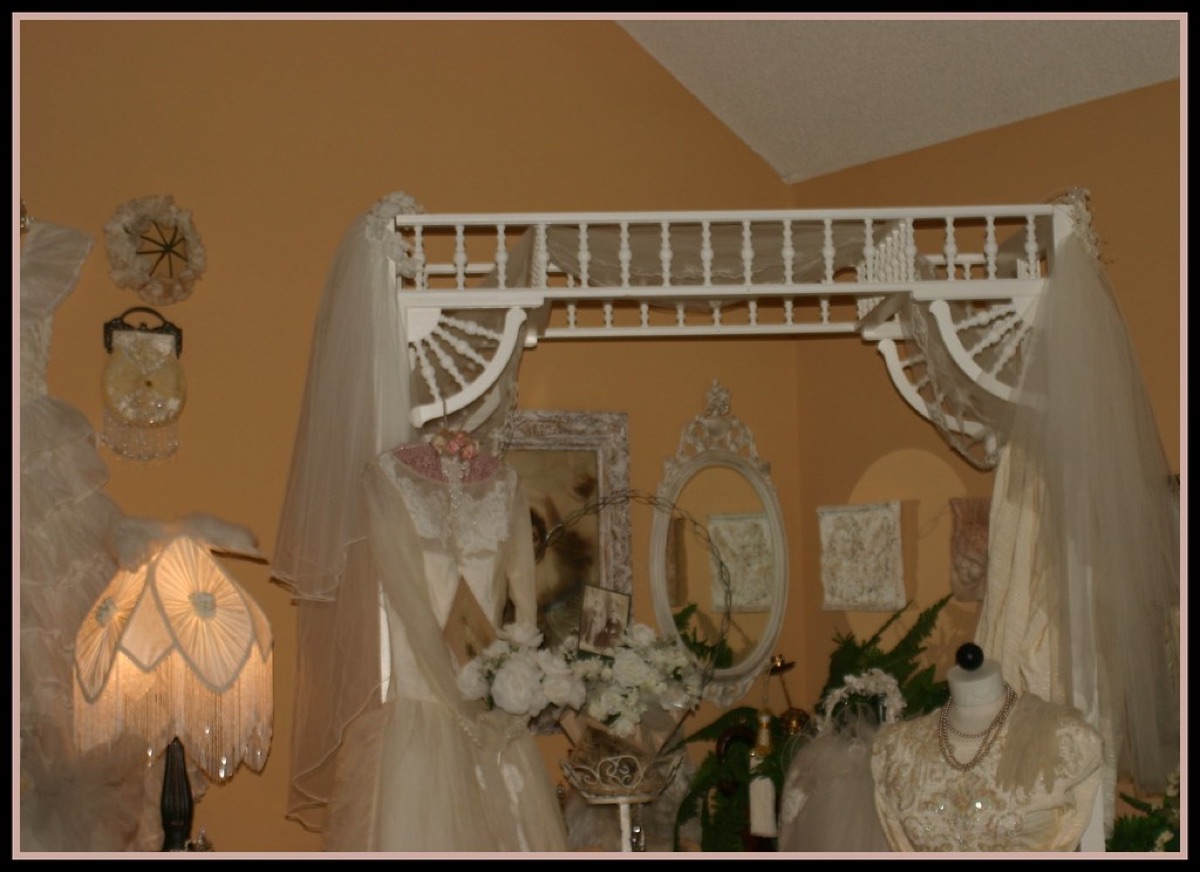
In a bright, modern studio, a bride stands in a white lace gown while holding a traditional red silk fan. The two worlds exist in the same space, creating a visual dialogue between the past and the present. This blend is common in modern weddings, where Western aesthetics meet Eastern traditions.
Modernity has introduced a dual-identity approach to bridal fashion. Many brides now choose to have two or even three different looks throughout their wedding day.
They might wear a white Western-style wedding dress for the ceremony and then change into a traditional red *qipao* or *hanfu* for the tea ceremony or the banquet.
This hybrid style allows brides to honor their heritage while participating in global fashion trends. It does not replace the old ways but expands the toolkit available to the bride.
The core meanings of luck, respect, and family remain, even if the silhouette of the dress has changed from heavy robes to lighter, more tailored fabrics.
How to prepare for a traditional ceremony?
Planning a wedding with such deep ritualistic requirements requires careful organization and respect for tradition. It is not just about the clothes, but about the timing and the people involved.
- Coordinate the Color Palette: Ensure that the specific shades of red and gold are consistent across all ceremonial garments to maintain symbolic harmony. 2. Prepare the Heirloom Pieces: Carefully clean and inspect traditional headpieces or jewelry to ensure they are ready for the transition. 3. Practice the Ritual Movements: For ceremonies like the tea service, practicing the proper way to kneel and hold the tea sets can prevent accidents during the emotional event. 4. Align with Family Elders: Consult with the heads of both families to ensure all traditional protocols are being met to avoid social friction.
I remember watching my cousin prepare for her wedding in Shanghai. She spent hours meticulously choosing the right shade of vermilion for her embroidery, making sure it matched the vintage tea set her grandmother had prepared.
It wasn't just about looking beautiful; it was about making sure every detail felt "right" to the family history.
This level of detail is necessary because these ceremonies are often seen as a contract between families, not just individuals. While these steps are vital, they are not applicable to every wedding, especially those focused entirely on Western customs or much more minimalist modern interpretations.
When I tried the steps in order, the second one is where I paused longest.
However, this does not apply in every situation.
The red color is used to represent luck, joy, and prosperity while also serving to ward off negative energy. It is a symbolic tool used to ensure a vibrant and successful start to the couple's life together.
Related
Comments 0