Pebaek Why: Meaning Behind Korean Family Bowing Sequence 1
This article is about Sequence. "Tradition is not the worship of ashes, but the preservation of fire."
The Korean ceremony of Pebaek is a deeply symbolic ritual where the bride officially greets her new family, presenting symbolic offerings to the groom's parents to signify respect and the start of a new lineage.
This guide explains the traditional table setting, the sequence of bows, and the deep cultural meaning behind every gesture.
* Understanding the significance of the Pebaques offerings. * The specific order of bowing to the in-laws. * The symbolic role of the groom and bride during the ritual. * Practical steps for navigating the ceremony.
What is the purpose of the Pebaek ritual?
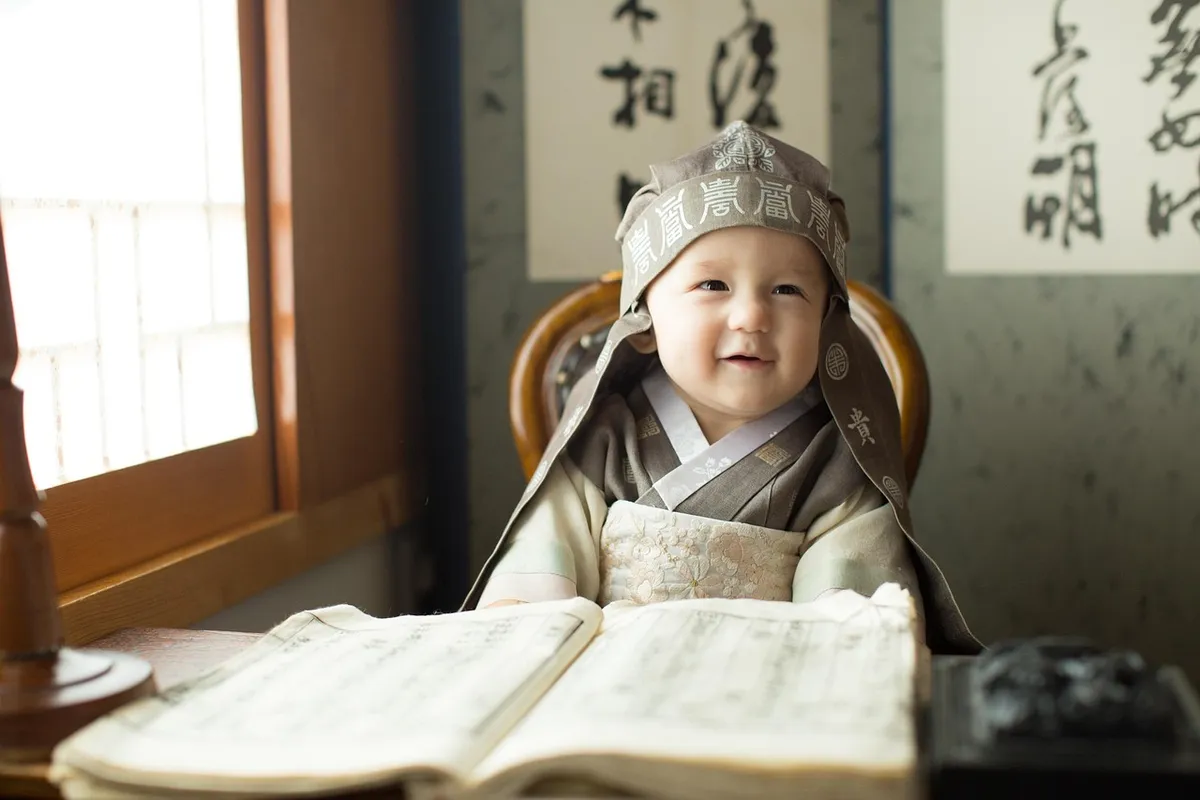
The heavy silk of the hanbok brushes against the floor as the bride kneels in a quiet, dedicated room. This ritual serves as a formal introduction where the bride enters her husband's family, moving from her own family to her new role within the groom's household.
The primary purpose of the Pebaek is to show respect to the groom's parents and elders, acknowledging their authority and the wisdom they bring to the new union. It is a transition of identity, where the bride is welcomed into the family lineage through specific ritualized actions.
While modern weddings often focus on the public ceremony, the Pebaek remains a private, intimate moment of family integration. It is not merely a performance but a way to cement the bond between the couple and their new relatives.
This transition is marked by a specific arrangement of offerings and a strict sequence of bows.
However, the ritual's significance may be diminished if it is performed without proper respect for ancestral traditions.
What items are included in the traditional Pebaek table setting?
A heavy wooden table sits in the center of the room, laden with carefully arranged delicacies. The scent of sweet jujubes and nutty chestnuts fills the air as the family gathers around the spread.
The Pebaek table setting, or *sangcharim*, is composed of specific items that represent fertility, longevity, and prosperity. Each item is chosen for its symbolic weight rather than just its taste.
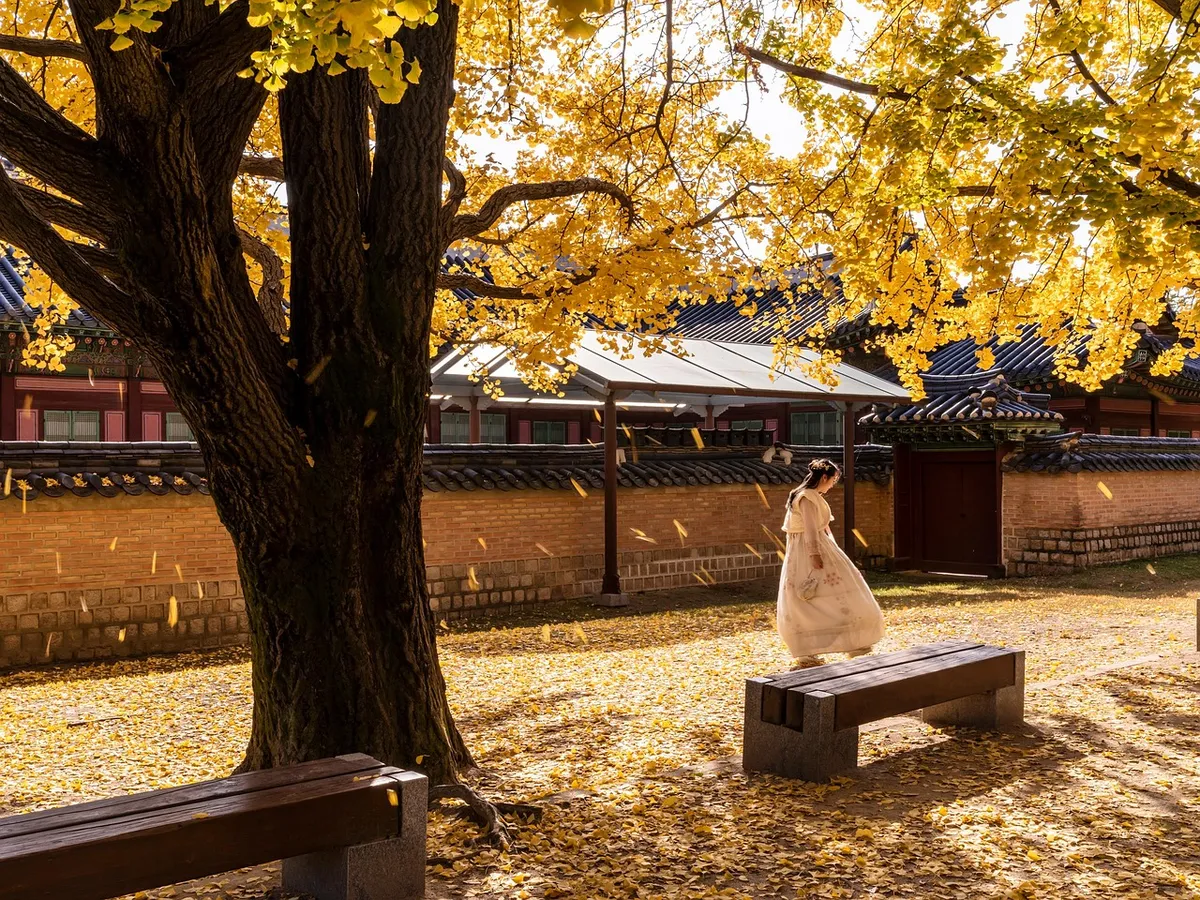
- Jujubes (Daechu): These represent the production of male heirs and the continuity of the family line. 2. Chestnuts (Bam): These symbolize the connection to ancestors and the hope for a stable, grounded family life. 3. Dried Meats or Fish: Often included to represent wealth and the ability to provide for the household. 4. Rice Cakes (Tteok): These represent the sweetness of life and the shared meals that will bind the family together.
The arrangement of these items is not random; the placement reflects the hierarchy of the family and the specific roles of the participants.
The next step involves the physical expression of this respect through the bowing process.
I find that the arrangement of these specific offerings is essential to the ceremony's visual balance.
How is the sequence of bows performed?
The bride adjusts her hair, her hands trembling slightly as she prepares to move toward the elders. The room falls silent, waiting for the first movement of the ritual.
The bowing phase is the most critical part of the ceremony, following a strict hierarchy based on age and familial position. The sequence ensures that respect is given to the elders in the correct order of seniority.
* The First Bow: The couple performs a deep bow to the groom's parents. The bride usually leads the movement, kneeling and bowing to show her submission and respect to the mother-in-law and father-in-law. * The Second Bow: The couple bows to the groom's senior relatives, such as aunts, uncles, or grandparents, if they are present. This recognizes the extended family structure. * The Reciprocal Bow: In many traditions, the groom performs a bow back to the parents to show his commitment to his new responsibilities.

This structured movement ensures that every member of the family is acknowledged and that the hierarchy is respected.
The ritual moves from the elders to the specific way the couple interacts with the offerings.
- The couple performs the initial formal bows to the groom's parents.
- They proceed to exchange specific ritualistic bows as prescribed.
- The sequence concludes with the final respectful gestures toward the elders.
How do the bride and groom interact with the offerings?
The bride carefully picks up a handful of jujubes, her eyes meeting her mother-in-law's with a mix of nervousness and warmth. The ritual items are not just for display; they are active participants in the ceremony.
The interaction with the *sangcharim* is where the symbolic wishes for the couple's future are physically realized. This part of the ceremony often involves the parents "testing" or blessing the couple with the food.
The bride presents the symbolic items to the in-laws, often placing them in the hands of the parents. In return, the parents might toss the jujubes and chestnuts back to the couple, symbolizing the blessing of children and prosperity.
This exchange is a joyful moment that breaks the tension of the formal bowing.
This physical exchange turns the abstract concept of "blessing" into a tangible, shared experience.
The following sequence outlines the typical flow of the ceremony for those participating.
- Preparation: The couple dresses in traditional hanbok and meets in the designated ritual space. 2. The Formal Greeting: The couple performs the first set of bows to the groom's parents. 3. The Offering Exchange: The bride presents the food to the parents, and the parents provide blessings. 4. The Final Bows: The couple concludes the ceremony with bows to the extended family.
I remember watching a ceremony where the bride's hands were shaking as she held the wooden spoon, but the warmth of the mother-in-law's smile made the room feel instantly lighter.
This process is not meant for everyone; it is a specific cultural practice that may not apply to families who do not follow traditional lineage-based customs.
This process does not apply to modern ceremonies that omit traditional food offerings.
When I tried the steps in order, the second one is where I paused longest.
Related


Comments 0