Wedding music selection tips guide for lasting memory
"Music has the power to define the atmosphere of a single moment, turning a simple gathering into a lasting memory."
Effective wedding music selection involves balancing personal sentiment with the logistical needs of the venue and the flow of the ceremony. This guide covers the essential criteria for selection, practical operational advice, and the emotional benefits of a well-curated playlist.

When choosing wedding music, careful consideration of volume, genre, and timing is required to maintain a consistent atmosphere.
How should I pick the perfect wedding music?
Late at night, I run my fingers through my hair while staring at a laptop screen, searching for the perfect wedding melody. A couple sits at a wooden table, scrolling through digital playlists while a wedding planner takes notes on a legal pad. The room is quiet except for the soft tapping of fingers on screens.
Successful wedding music selection tips focus on understanding the venue's acoustics and the natural progression of the event. It is vital to align the energy of the songs with the specific phase of the wedding, such as the processional or the reception.
Selecting music that reflects the couple's identity while remaining accessible to guests ensures a cohesive experience.
The process of choosing wedding music should begin with a discussion of the overall theme. A couple might decide on a classical theme for a formal church setting or a jazz-heavy playlist for a garden ceremony.
This initial decision sets the tone for every subsequent choice made during the planning process.
How do you manage music for wedding day logistics? Wedding music selection tips
A technician adjusts the sliders on a soundboard while checking the placement of speakers in a large ballroom. The hum of the equipment fills the space as the sound check begins.
Managing music for wedding day requirements involves more than just picking songs; it requires technical coordination. One must consider the transition between live performers and recorded tracks to prevent awkward silences.
Ensuring that the sound system can handle various genres without distortion is a key part of the preparation.
Effective music operation involves coordinating with the venue staff to manage volume levels. If the music is too loud during dinner, guests will struggle to converse, but if it is too quiet during the dance set, the energy may drop.
Planning for these transitions helps maintain a steady flow throughout the celebration.
Why should I coordinate my wedding music?
The bride walks down the aisle as the first notes of a violin swell through the hall, catching the light from the stained glass. Guests turn their heads, moved by the sudden shift in atmosphere.
The benefits of music coordination include a seamless emotional journey for the guests and a structured timeline for the wedding party. When the music is well-integrated, it acts as a guide for the guests, signaling when to stand, sit, or celebrate.
This coordination prevents the event from feeling disjointed or chaotic.

A well-planned playlist can also serve as a way to honor family traditions or cultural heritages. Integrating specific songs that hold personal meaning can create a profound sense of connection.
I remember sitting in a quiet chapel during my own planning phase, realizing how a single melody could change the entire mood of the room.
How to implement a structured music plan?
A wedding planner holds a printed itinerary, checking off items as the rehearsal progresses. The couple listens intently, visualizing how the sounds will fill the space.
To create a reliable atmosphere, follow these steps to organize your selections:
- Categorize songs by the specific event segment, such as the processional, recessional, and first dance. 2. Test the audio quality of every chosen track on the actual sound system intended for the venue. 3. Create a backup digital playlist on a separate device to account for potential technology failures.
After completing these steps, perform a final check of the timing. Each song should be long enough to cover the necessary movements but not so long that it causes awkwardness. Ensuring the transition between a slow processional and a joyful exit is smooth is the final piece of the puzzle.
Comparison of Music Styles
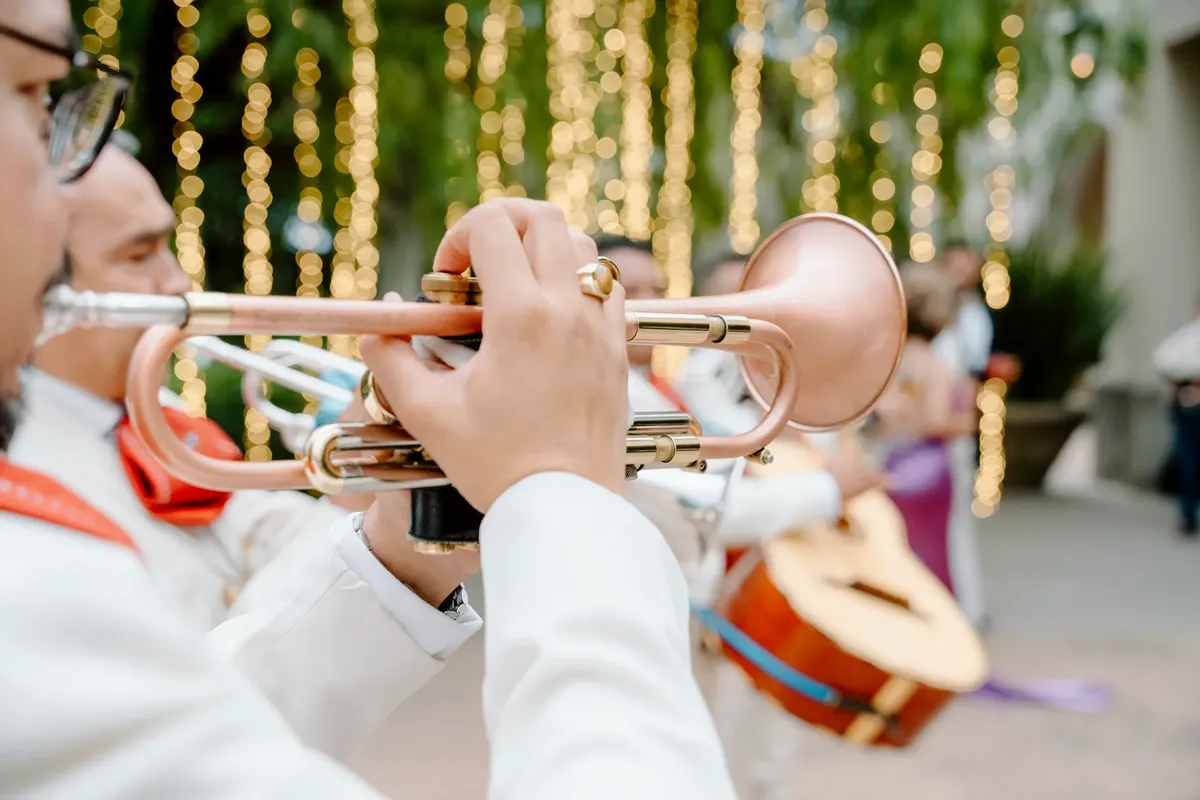
The following table compares common musical approaches used in wedding planning to help clarify different aesthetic directions.
| Style Approach | Primary Atmosphere | Best Use Case |
|---|---|---|
| Classical/Traditional | Formal and Timeless | Religious or Formal Ceremonies |
| Modern/Contemporary | Personal and Trendy | Contemporary Venues or Garden Weddings |
- What are the primary wedding music selection tips?
- How do you manage music for wedding day logistics?
- What are the benefits of music coordination?
The same subject is also called Wedding music standards.
The same subject is also called Music operation advice.
This part also covers How to pick wedding songs.
This part also covers Benefits of music choice.
How to pick wedding songs
Related
- Wedding music selection rules: Guide to ceremony music
- Wedding music order guide: How to manage music flow
When should the music transition occur?
- The timing of the music transition must align with the established itinerary to maintain the intended emotional arc of the event.
Maintaining the proper music timing prevents the celebration from feeling disjointed, which is a key benefit of good coordination. The shift from a solemn ceremony piece to an upbeat reception track needs careful sequencing.
This careful sequencing ensures the overall power of the music supports the narrative of the day.
How does genre choice affect the atmosphere?
Genre choice directly influences the atmosphere because different styles evoke distinct emotional responses in attendees. A classical selection lends a formal quality, whereas a contemporary selection introduces a more personal and trendy feeling. This difference in musical power guides the guests' expectations for the event.
When considering genre, the couple must weigh their personal taste against the venue's suitability for that style. A garden setting might better accommodate a jazz-heavy playlist than a highly formal, acoustically restrictive hall. The music's genre should always serve the established theme.
The power of music to define atmosphere means that genre selection is not merely aesthetic; it is a functional part of the event's structure. If the chosen genre clashes with the venue's natural feel, the intended atmosphere will likely fail to materialize.
Wikipedia: Society for Music Analysis Based on the retained excerpt mentioning The Society: The Society for Music Analysis is an academic society, founded in 1992 by Jonathan Dunsby, specializing in music theory and analysis.







Comments 0